
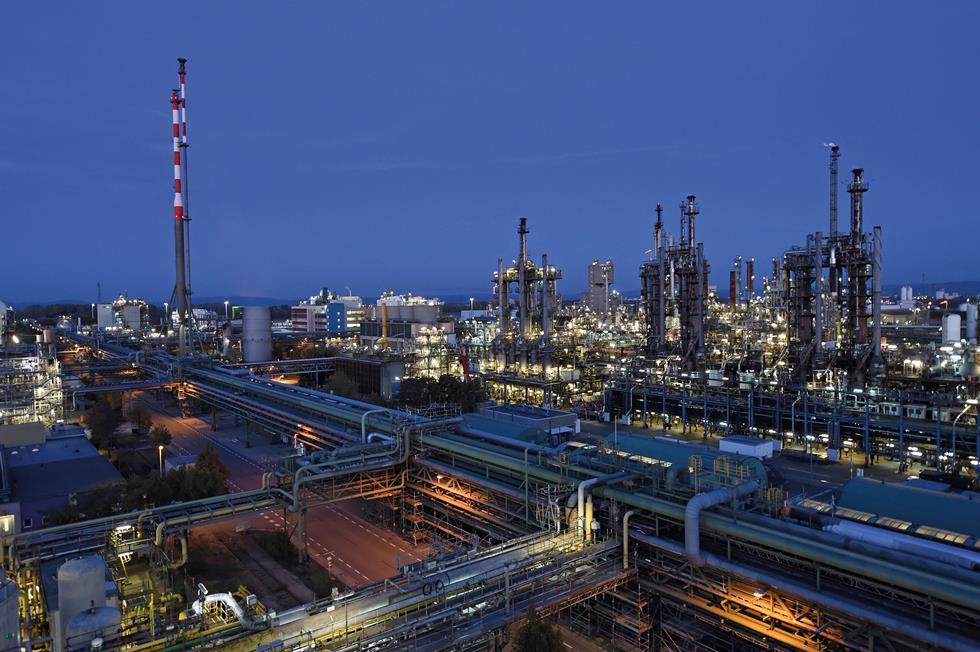
PETROCHEMICAL PRODUCTS / BASIC CHEMICALS
Ammonia from Iran
A Fundamental Chemical for Fertilizers and Industry
Ammonia (NH₃) is a key inorganic chemical used across fertilizer production, petrochemicals and industrial refrigeration. IRMinEX provides a contact point for product enquiries, technical information review and export coordination related to Iranian ammonia.
01 / PRODUCT OVERVIEW
What Is Ammonia?
Ammonia (NH₃) is a chemical compound made of one nitrogen atom and three hydrogen atoms. The original IRMinEX article describes it as a colourless gas with a strong, pungent odour, widely used as a raw material in industrial and agricultural processes.
At lower temperatures or under suitable pressure, ammonia can be liquefied. Its high nitrogen content makes it an important input for nitrogen-based fertilizers, while its chemical properties also support applications in petrochemicals and industrial cooling.
02 / PHYSICAL & CHEMICAL CHARACTERISTICS
Key Properties of Ammonia
The values below follow the legacy IRMinEX article dated 30 November 2024. Confirm the grade, concentration, test method and current batch data with the supplier before purchase.
Chemical Formula
A compound consisting of one nitrogen atom bonded to three hydrogen atoms.
Boiling Point
The source article gives the boiling point as −33.34°C.
Melting Point
The source article gives the melting point as −77.73°C.
Gas Density at 0°C
Density stated in the source article for ammonia in gaseous form at 0°C.
03 / MOLECULAR STRUCTURE
A Trigonal Pyramidal Molecule
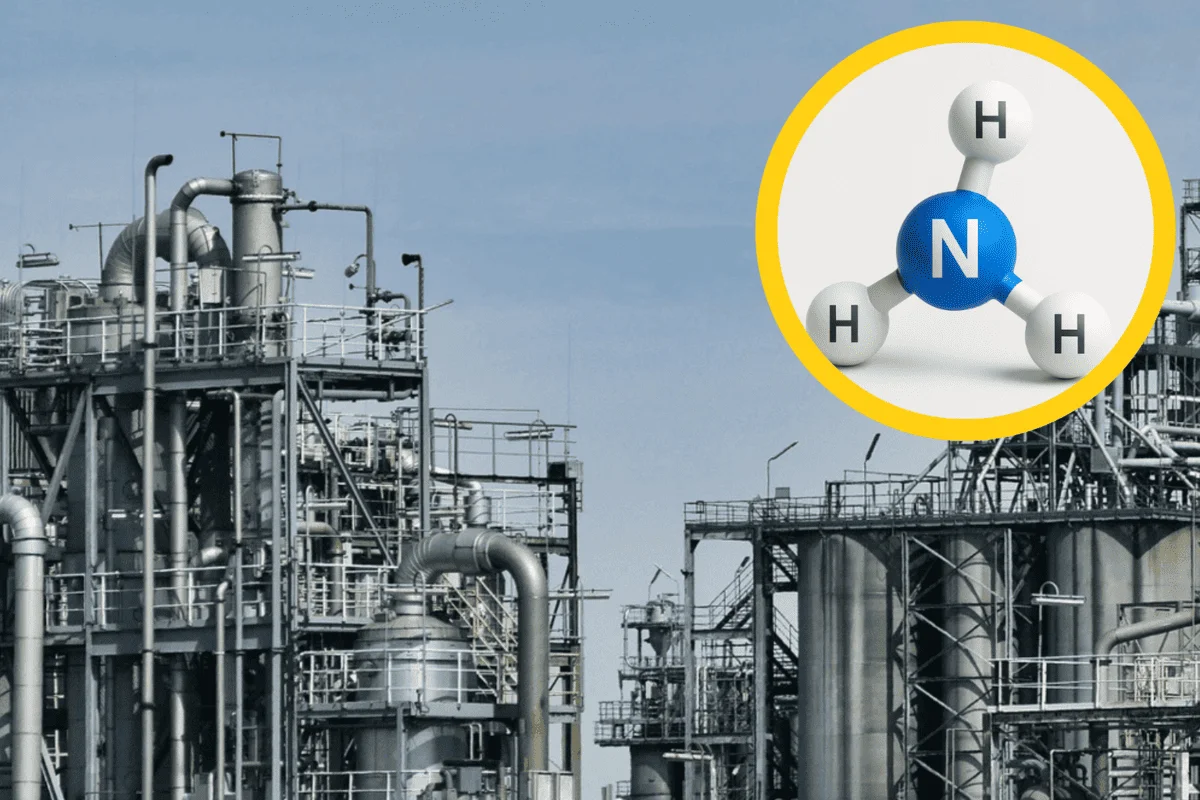
Ammonia has a trigonal pyramidal molecular geometry. A nitrogen atom sits at the centre, bonded to three hydrogen atoms. The molecule also has a lone pair of electrons on nitrogen, which contributes to its polarity and chemical behaviour.
Ammonia’s molecular structure helps explain its high solubility in water and its role as a basic chemical in a range of industrial processes.
04 / INDUSTRIAL PRODUCTION
How Ammonia Is Produced
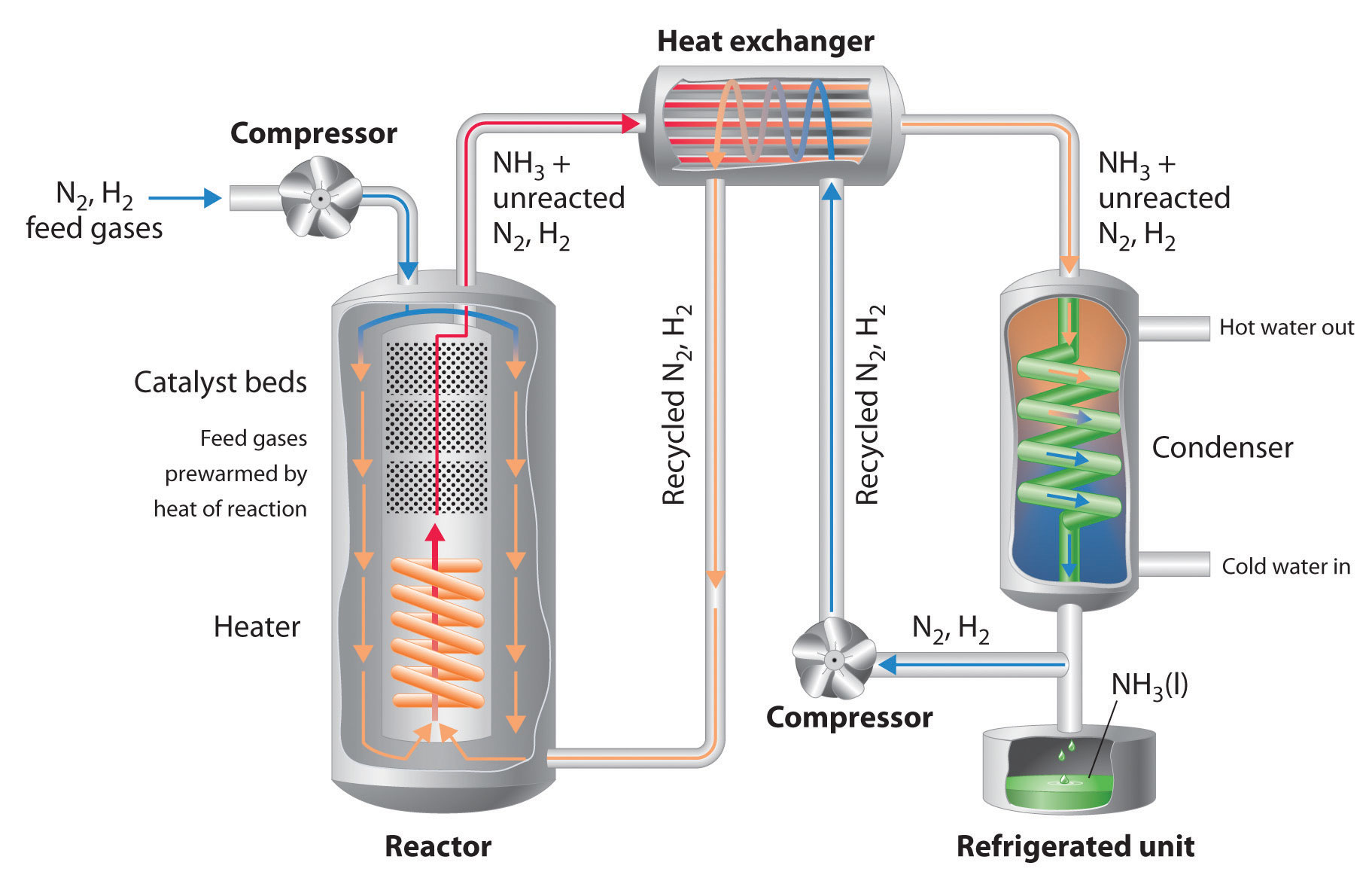
The original IRMinEX article identifies the Haber–Bosch process as the main industrial method. Nitrogen is obtained from air, while hydrogen is commonly produced from natural gas through reforming processes.
Hydrogen Preparation
In conventional natural-gas-based production, methane reacts with steam in a reforming process to produce a hydrogen-rich gas. The gas is processed to meet synthesis requirements.
Nitrogen Separation
Nitrogen is obtained from air and combined with prepared hydrogen in the synthesis loop. The feed gases are purified and conditioned before reaction.
From Nitrogen and Hydrogen to Ammonia
High-level process overview. Actual plant configurations and operating conditions vary.
05 / INDUSTRIAL APPLICATIONS
Where Ammonia Is Used
The original IRMinEX article identifies fertilizer manufacturing, petrochemicals, industrial refrigeration, cleaning products, pharmaceuticals and metal processing as application areas.
 01
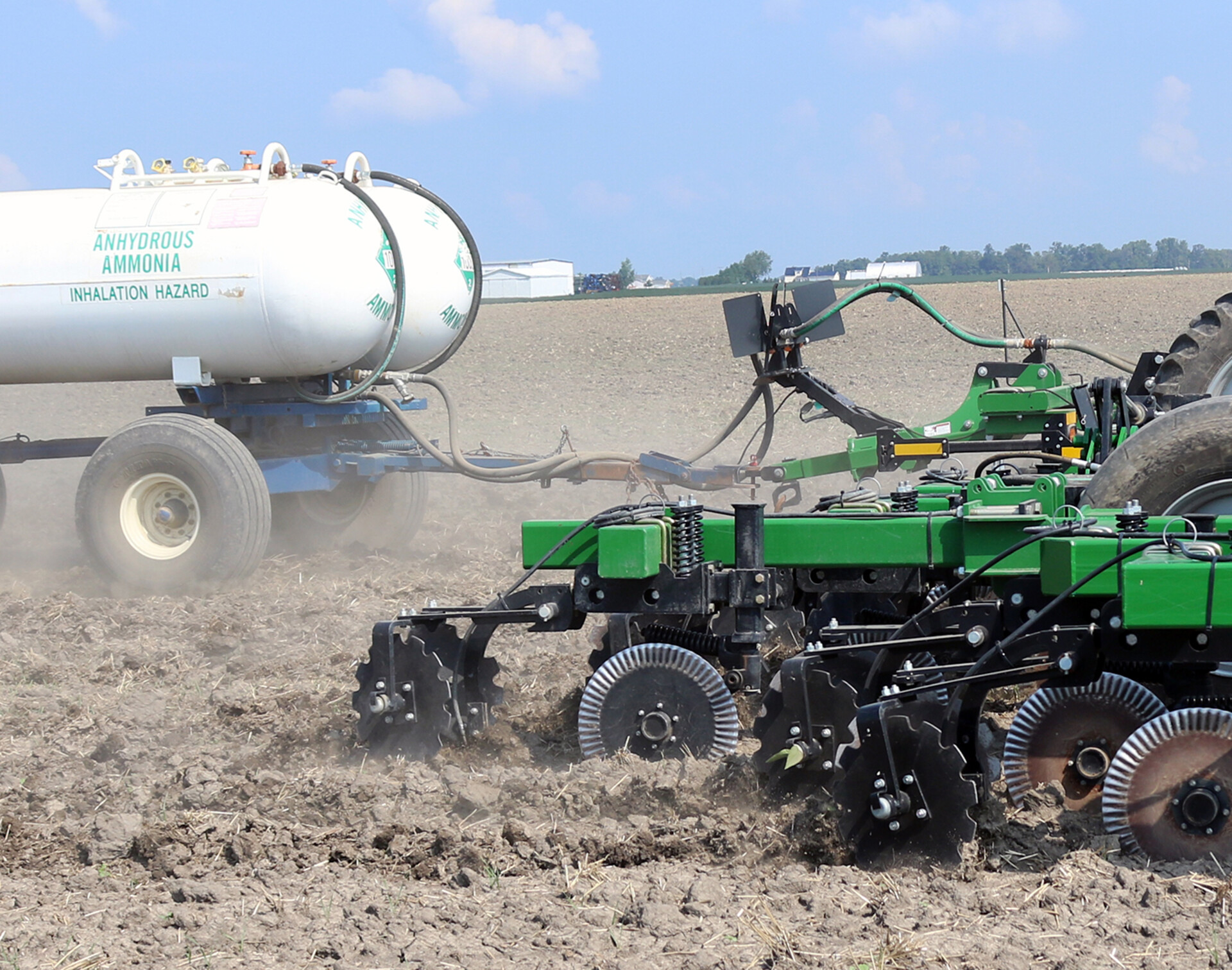
Nitrogen Fertilizers
Ammonia is a major feedstock for urea and ammonium-based fertilizers used in crop nutrition.
AGRICULTURE / FERTILIZER02Petrochemical Industry
Used as a raw material for producing nitric acid, amines and other industrial chemicals.
CHEMICAL FEEDSTOCK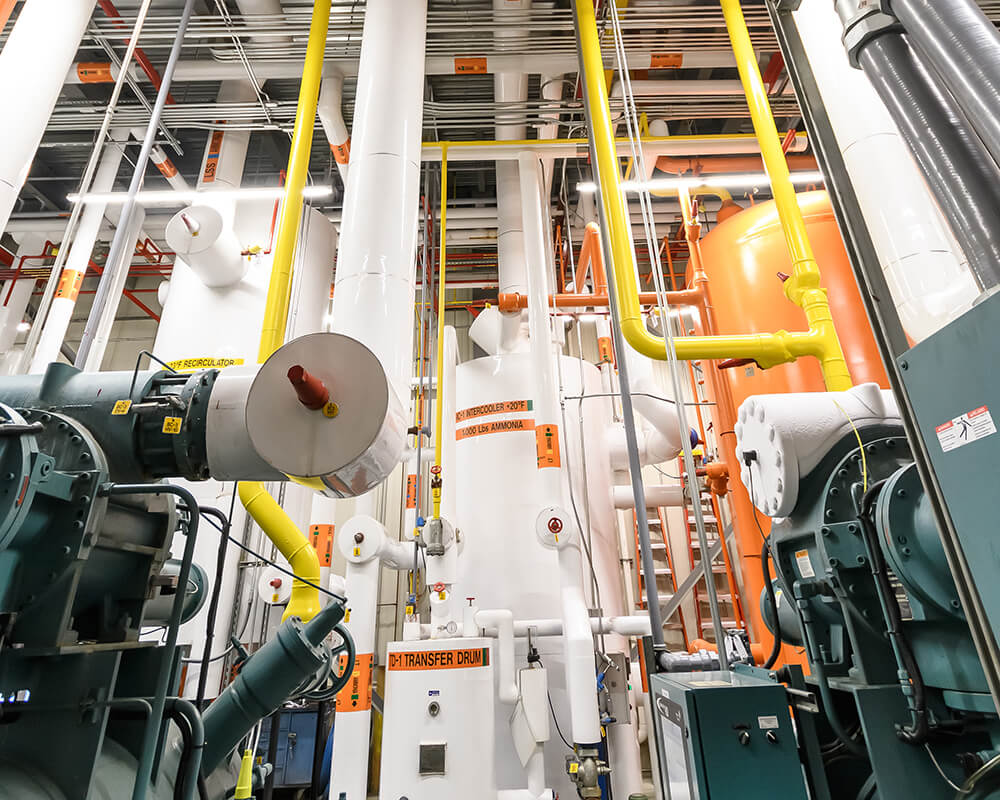 03
Industrial Refrigeration
Ammonia, also known as refrigerant R-717, is used in some large-scale industrial cooling systems.
REFRIGERATION / COLD STORAGE04Storage & Process Industries
Liquid ammonia is stored and transferred in purpose-designed industrial systems under controlled conditions.
INDUSTRIAL STORAGE05Cleaning & Formulation
Ammonia solutions are used in selected household and industrial cleaning formulations.
CLEANING PRODUCTS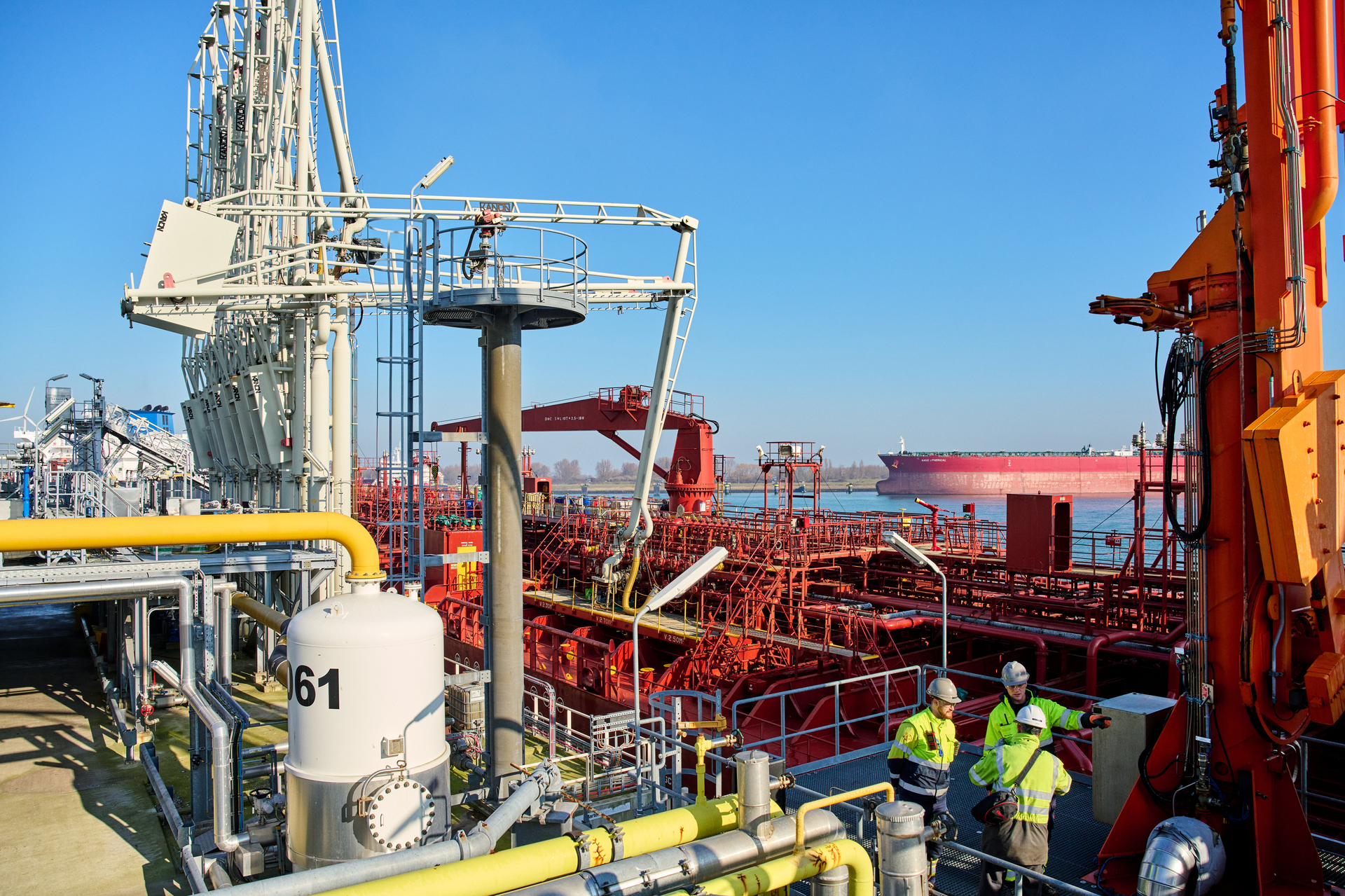 06
Transport & Distribution
Specialized tankers and transfer facilities support the movement of ammonia between industrial sites and terminals.
LOGISTICS / DISTRIBUTION06 / STORAGE & TRANSPORT CONTEXT
Liquid Ammonia Requires Specialized Infrastructure
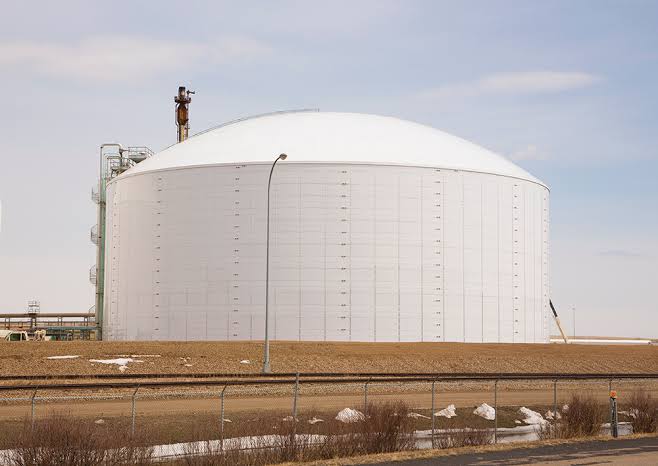
Ammonia is a gas under normal ambient conditions and can be liquefied by cooling or applying pressure. Commercial storage and transport therefore rely on equipment designed for the product’s physical properties and hazard profile.
07 / SAFETY & HAZARD AWARENESS
Ammonia Must Be Handled with Care
Ammonia is a hazardous chemical. The original IRMinEX article warns that exposure can irritate or damage the respiratory system, eyes and skin. All commercial handling must follow current safety data, applicable regulations and qualified site procedures.
Exposure to ammonia vapour can cause coughing, breathing difficulty and serious respiratory injury.
Direct contact with ammonia or concentrated solutions can cause severe injury.
Storage, loading and transfer require suitable containment, detection, emergency planning and trained operators.
08 / IRAN'S AMMONIA INDUSTRY
Iran’s Role in Ammonia Production
The original IRMinEX article dated 30 November 2024 describes Iran as a significant ammonia producer, supported by its natural gas and oil resources and established petrochemical sector.
The article specifically names Bandar Imam Petrochemical and Pars Petrochemical among companies active in ammonia production and its derivatives. These references describe the source article’s context and should not be interpreted as confirmation of current plant operating status or available volumes.
Current Supply Verification
The source article does not establish live production availability, stock, prices, confirmed capacity, shipment windows or current export destinations. These must be verified directly for each enquiry.
09 / EXPORT & LOGISTICS
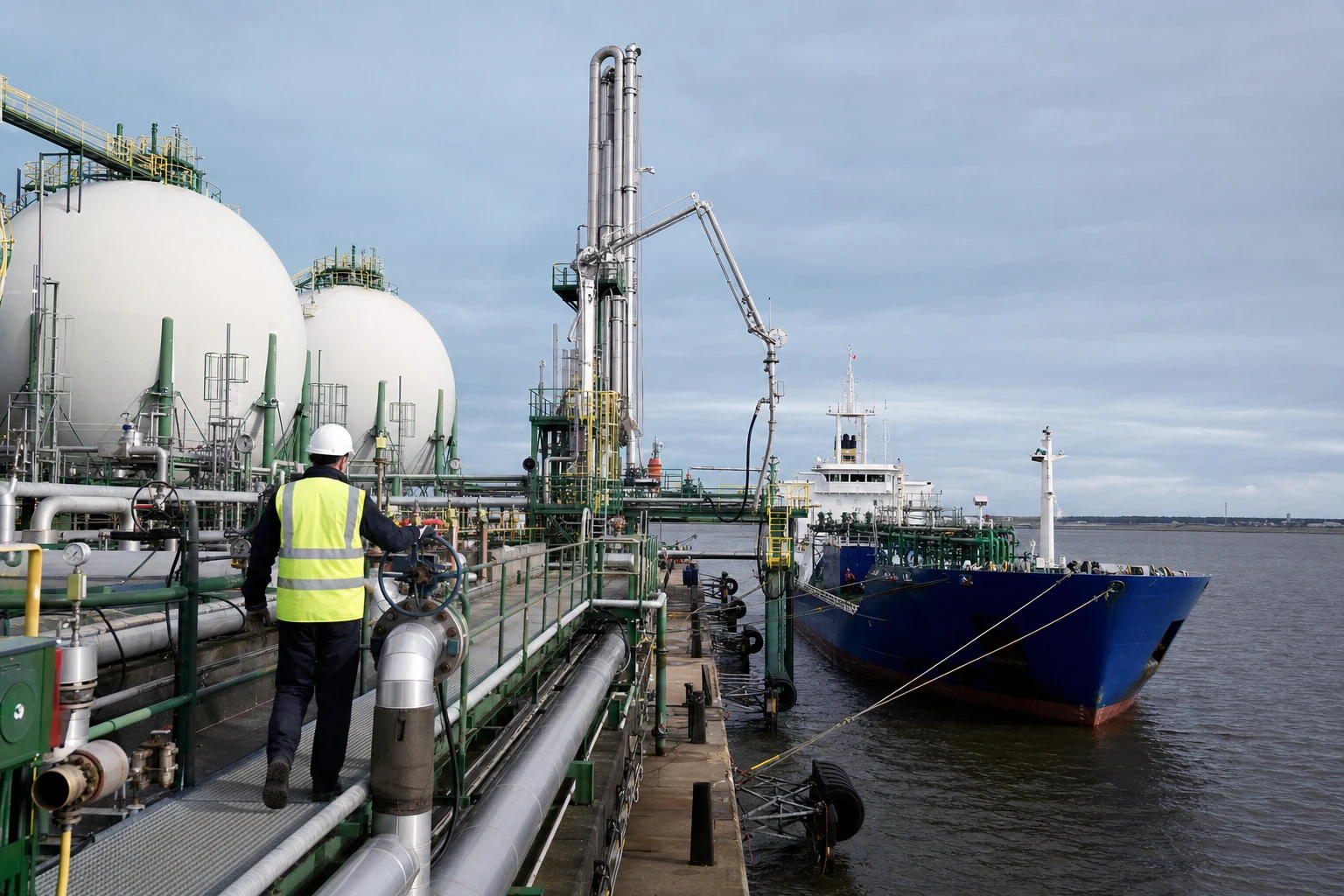
Ammonia Export Requires Careful Coordination
Ammonia is a hazardous cargo and requires a transport solution matched to its physical form, route, destination requirements and safety regulations.
Confirm Product Grade
Clarify anhydrous ammonia or aqueous ammonia, required concentration, quality parameters and current batch documents.
Confirm the Transport Chain
Review the suitable transport mode, receiving terminal, tank compatibility, route constraints and applicable dangerous-goods requirements.
From Buyer Requirement to Shipment Planning
Each step depends on supplier confirmation, destination rules and logistics feasibility.
10 / MARKET CONTEXT
Demand Across Fertilizer and Industrial Value Chains
Ammonia demand is linked to nitrogen fertilizer production and a range of industrial chemical applications. Market conditions vary by region, feedstock costs, plant operations and logistics.
Agricultural Demand
Ammonia is a key upstream input for urea and other nitrogen fertilizer products.
Industrial Feedstock
It is used to manufacture nitric acid, amines and other chemical intermediates.
Industrial Cooling
Ammonia is used as a refrigerant in selected large-scale industrial cooling systems.
Emerging Uses
Ammonia is also being studied as a hydrogen carrier and potential low-carbon fuel, subject to technology and infrastructure development.
11 / SUPPLY CHAIN CONSIDERATIONS
Factors That Matter in Ammonia Supply
Buyers and suppliers should evaluate more than headline price when reviewing an ammonia transaction.
Natural Gas & Energy Costs
Conventional ammonia production is energy-intensive and sensitive to feedstock availability and utility costs.
Plant Reliability
Production continuity, maintenance schedules and confirmed operating status can affect supply planning.
Hazardous Cargo Requirements
Specialized equipment, trained personnel and regulatory compliance are essential across the logistics chain.
Integrated Chemical Demand
Demand from fertilizers and downstream chemical industries supports ammonia’s strategic role in the petrochemical value chain.
12 / TECHNICAL DOCUMENTATION
What Should Ammonia Buyers Verify?
The original IRMinEX article provides general properties and applications, not a complete commercial specification. Request current supplier documentation for the exact offered product and batch.
13 / BUYER ENQUIRY CHECKLIST
Information to Include in Your Ammonia Enquiry
Providing clear technical and commercial details helps determine whether a supply enquiry can be reviewed accurately.
15 / FREQUENTLY ASKED QUESTIONS
Ammonia: Common Buyer Questions
General product information based on the legacy IRMinEX article. Commercial terms and availability require current confirmation.
What is the chemical formula of ammonia?
Ammonia has the chemical formula NH₃, consisting of one nitrogen atom and three hydrogen atoms.
What is ammonia mainly used for?
Its major uses include nitrogen fertilizer production, petrochemical manufacturing and industrial refrigeration. The IRMinEX source article also mentions cleaning, pharmaceutical and metal-processing applications.
How is ammonia produced?
Industrial ammonia is commonly produced by the Haber–Bosch process, which combines nitrogen and hydrogen under elevated temperature and pressure with a catalyst.
Is ammonia a gas or a liquid?
At normal room conditions ammonia is a colourless gas. It can be liquefied by cooling or applying pressure for industrial storage and transport.
Is ammonia hazardous?
Yes. Ammonia is toxic and irritating. Exposure can harm the respiratory system, eyes and skin. It must be handled by trained personnel under applicable safety procedures.
Does IRMinEX publish live ammonia stock or prices?
The legacy product article does not provide live stock, current prices or confirmed shipment schedules. These details must be confirmed for each enquiry.
IRMINEX / AMMONIA ENQUIRY
Discuss Your Ammonia Requirements
Share the required product type, concentration, quantity, destination and technical requirements so the enquiry can be reviewed against supplier and logistics conditions.