INDUSTRIAL MINERALS / IRANIAN RESOURCES
Kaolin & Feldspar from Iran
Essential Raw Materials for Ceramics, Glass and Manufacturing
Kaolin and feldspar are important industrial minerals used across ceramics, tiles, glassmaking, paints, coatings, plastics and other manufacturing sectors. Explore their properties, applications, Iranian resource regions and export context.
01 / PRODUCT OVERVIEW
Two Industrial Minerals, Different Roles
Kaolin and feldspar are used in overlapping manufacturing sectors, but they contribute different material characteristics. Understanding the intended application is the first step in defining the right product specification.
Kaolin
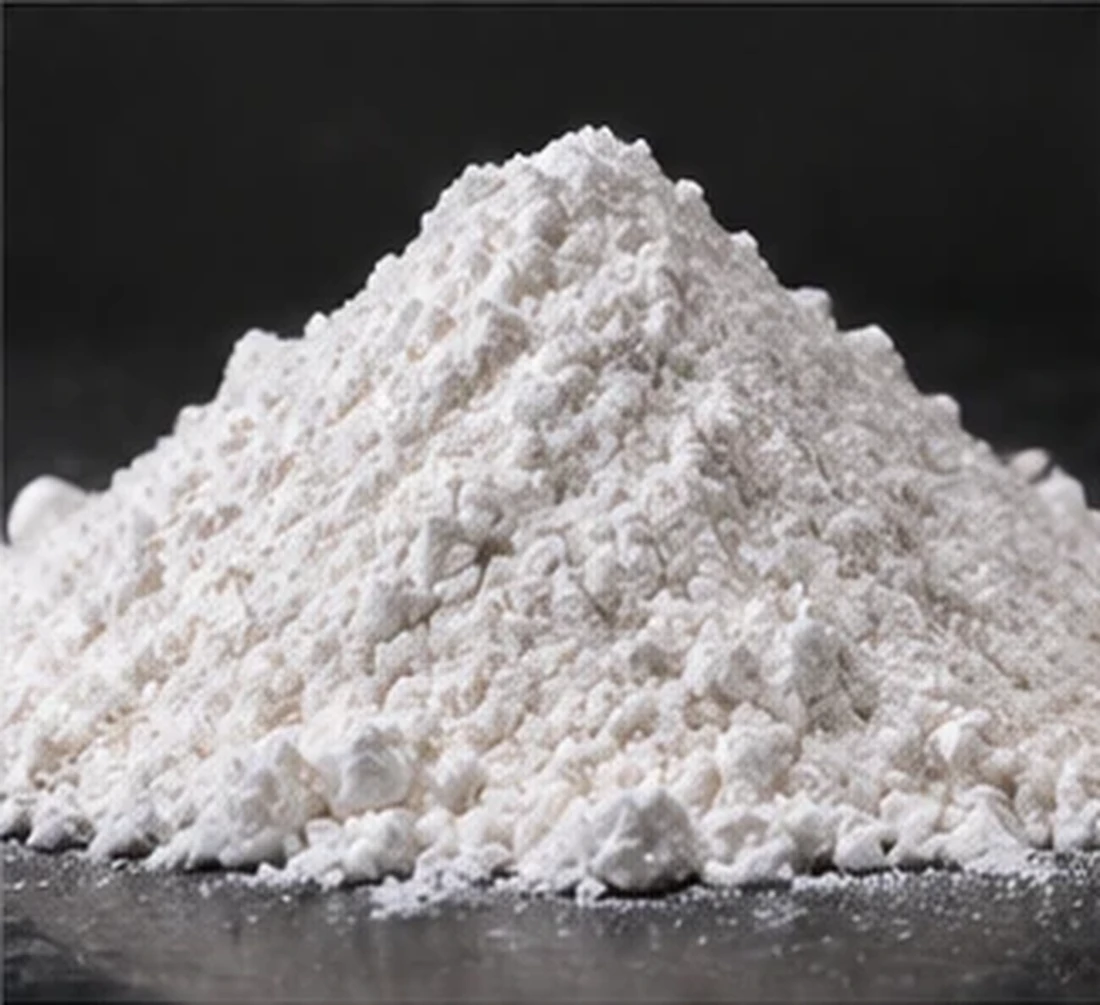
A soft, generally white clay primarily composed of kaolinite. The source article highlights its whiteness, softness and plasticity, with uses in ceramics, tiles, coatings, paper and plastics.
Explore Kaolin ↗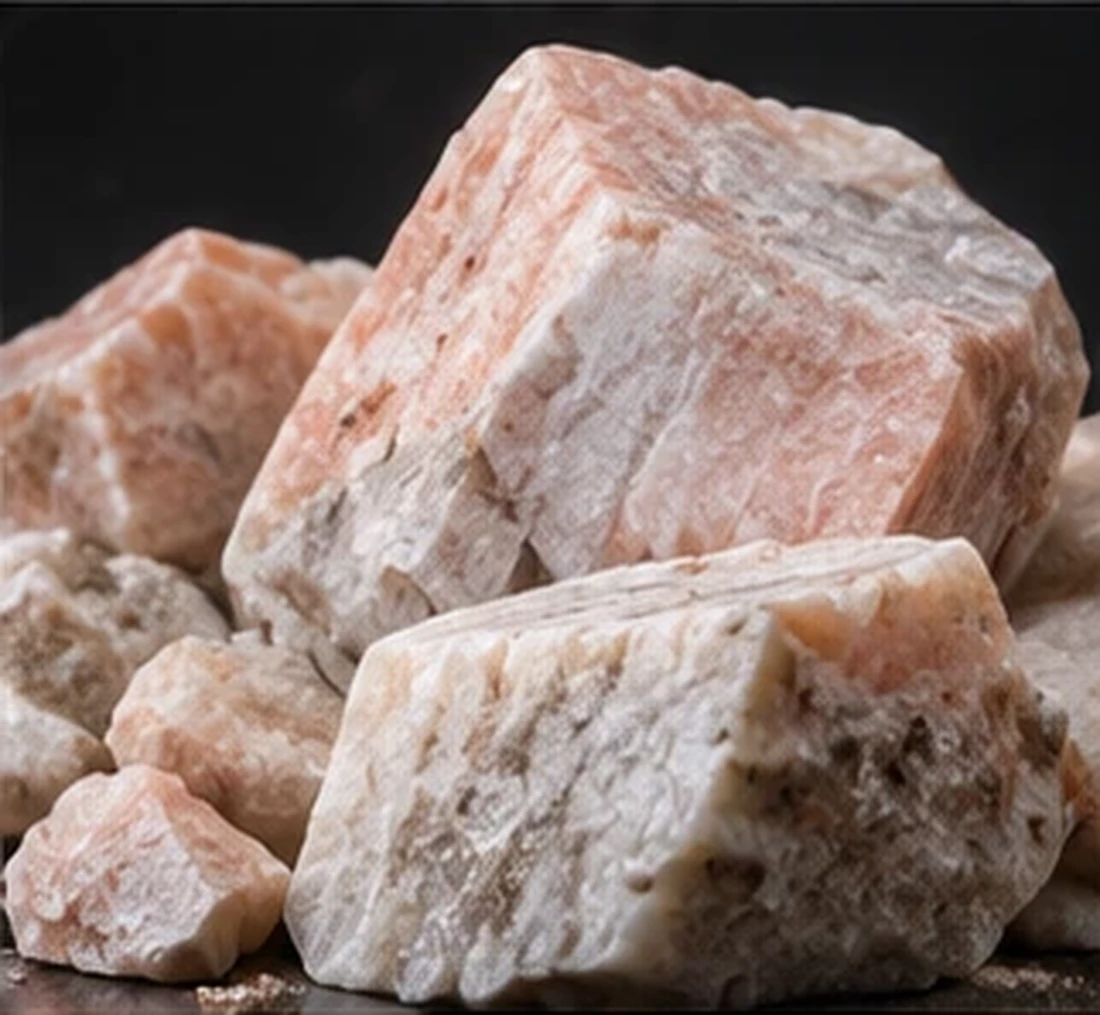
Feldspar
A group of aluminosilicate minerals containing varying proportions of potassium, sodium and calcium. The source article describes its importance in glassmaking, ceramics and other manufacturing uses.
Explore Feldspar ↗
02 / MINERAL PROFILE
Kaolin: A White, Soft and Plastic Clay
Kaolin, also known as kaolinite clay, is a soft, generally white clay primarily composed of hydrated aluminium silicate. Its characteristic composition is represented by the formula Al₂Si₂O₅(OH)₄.
The legacy IRMinEX article highlights kaolin’s white colour, softness and plasticity. These characteristics make it relevant to ceramic and tile production and to selected filler applications in manufacturing.
03 / KAOLIN CHARACTERISTICS
What Defines Kaolin?
The source article identifies three principal characteristics that support kaolin’s use in ceramic and other industrial applications.
White Appearance
Kaolin is generally white, a characteristic valued in ceramic and tile production and in applications where material colour matters.
Hydrated Composition
Its principal mineral component, kaolinite, is a hydrated aluminium silicate with the formula Al₂Si₂O₅(OH)₄.
Softness & Plasticity
Kaolin is a soft clay that can be moulded, making it useful in the shaping stage of ceramic manufacturing.
04 / KAOLIN APPLICATIONS
Where Is Kaolin Used?
The legacy IRMinEX article lists applications across ceramics, coatings, paper, pharmaceuticals and plastics. Suitability depends on the grade and the requirements of the end product.
Ceramics & Tiles
Used as a raw material in ceramic and tile production. Its plasticity supports shaping and forming ceramic bodies.
Tile · Ceramic productsPaints & Coatings
Used as a filler in selected paint and coating formulations, where whiteness and material properties are relevant.
Paint · Coating formulationsPaper Manufacturing
The source article describes kaolin use in paper production to improve appearance and printing quality.
Paper · Surface qualityPlastics
Used as a mineral filler in selected plastic products to influence physical characteristics.
Plastic compounds · FillerPharmaceutical Applications
The legacy article also lists pharmaceutical additives. Any such use requires a specifically suitable grade and compliance with applicable regulations.
Specialized grade · Regulatory reviewOther Industrial Uses
Kaolin may be considered in other manufacturing formulations where its mineral composition and physical properties meet the process requirements.
Industrial formulations05 / MINERAL PROFILE
Feldspar: A Versatile Aluminosilicate Group
Feldspar refers to a group of widely distributed aluminosilicate minerals. The legacy IRMinEX article describes feldspars as containing varying proportions of potassium, sodium, calcium and barium.
Feldspars are valued in glass and ceramic manufacturing. Their crystalline structure, hardness and role in industrial formulations make them important raw materials for several manufacturing processes.
06 / FELDSPAR TYPES
Potassium, Sodium and Calcium Feldspar
The source article identifies three feldspar types according to their principal alkali or alkaline-earth element.
Potassium Feldspar
Primarily contains potassium. The article identifies its use in glass and ceramic production.
Sodium Feldspar
Contains sodium and is used in specific glass types and building materials, according to the source article.
Calcium Feldspar
Contains calcium and is listed in the article for use in glass and cement production.
07 / FELDSPAR APPLICATIONS
Industrial Uses of Feldspar
Feldspar is used in several manufacturing sectors, especially where its role in glass and ceramic formulations is important.
Glass Manufacturing
Used as a raw material in glass production alongside silica and lime for manufacturing different types of glass.
Glass · Industrial formulationsCeramics & Tiles
An important component in ceramic and tile production, supporting melting behaviour and the mechanical properties of ceramic products.
Ceramic bodies · Tile productionCasting Industry
The legacy article lists feldspar as an additive used in casting processes to influence molten-metal behaviour and product precision.
Casting · Industrial additivePaint Industry
Used as a filler in selected coloured products and coating formulations.
Paint · CoatingsPlastics
Listed in the source article as a filler for the production of selected plastic products.
Plastic compounds · FillerRubber
Also listed among the filler applications for selected rubber products and industrial formulations.
Rubber · Industrial products08 / MINING & PROCESSING
From Mineral Deposit to Prepared Product
Extraction and processing routes differ by mineral type, deposit characteristics and the intended industrial application.
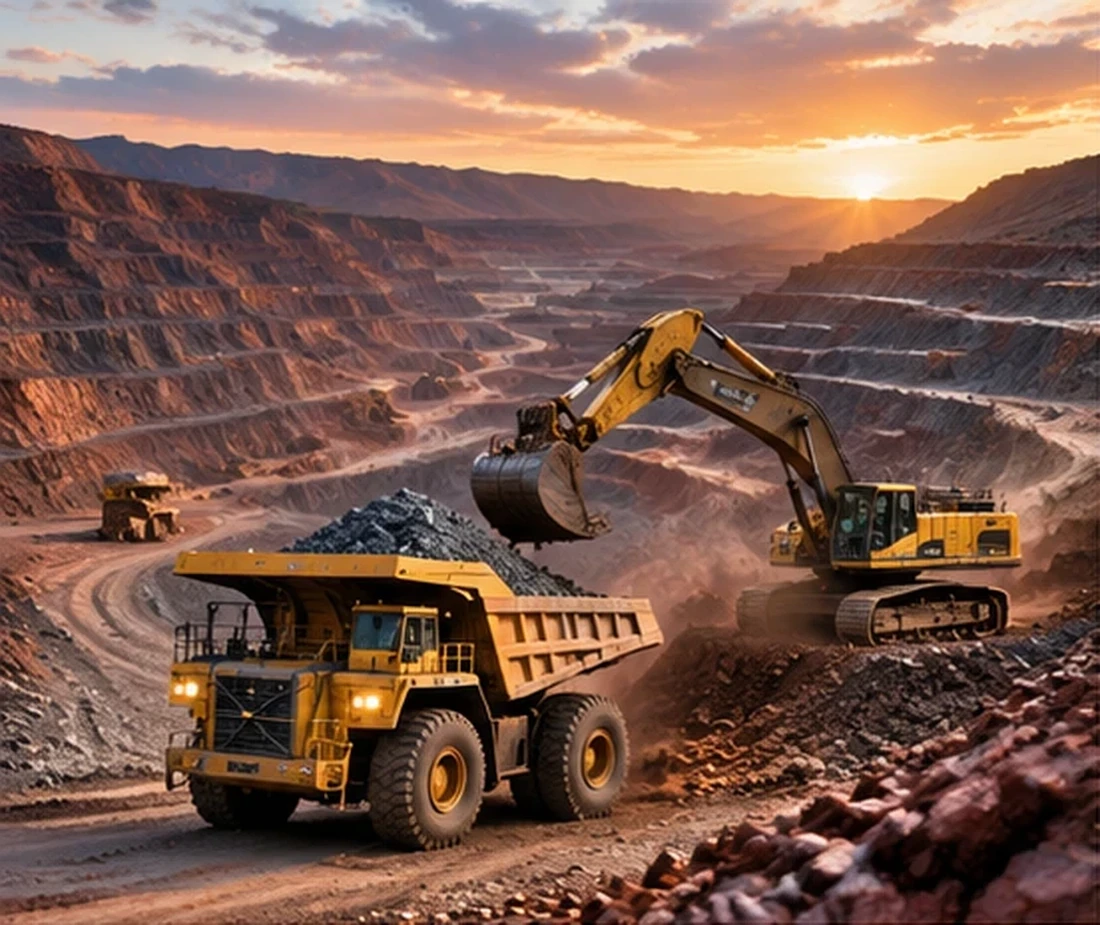
Grinding & Refining
The source article describes kaolin processing as involving grinding and refining to remove impurities and improve product quality.
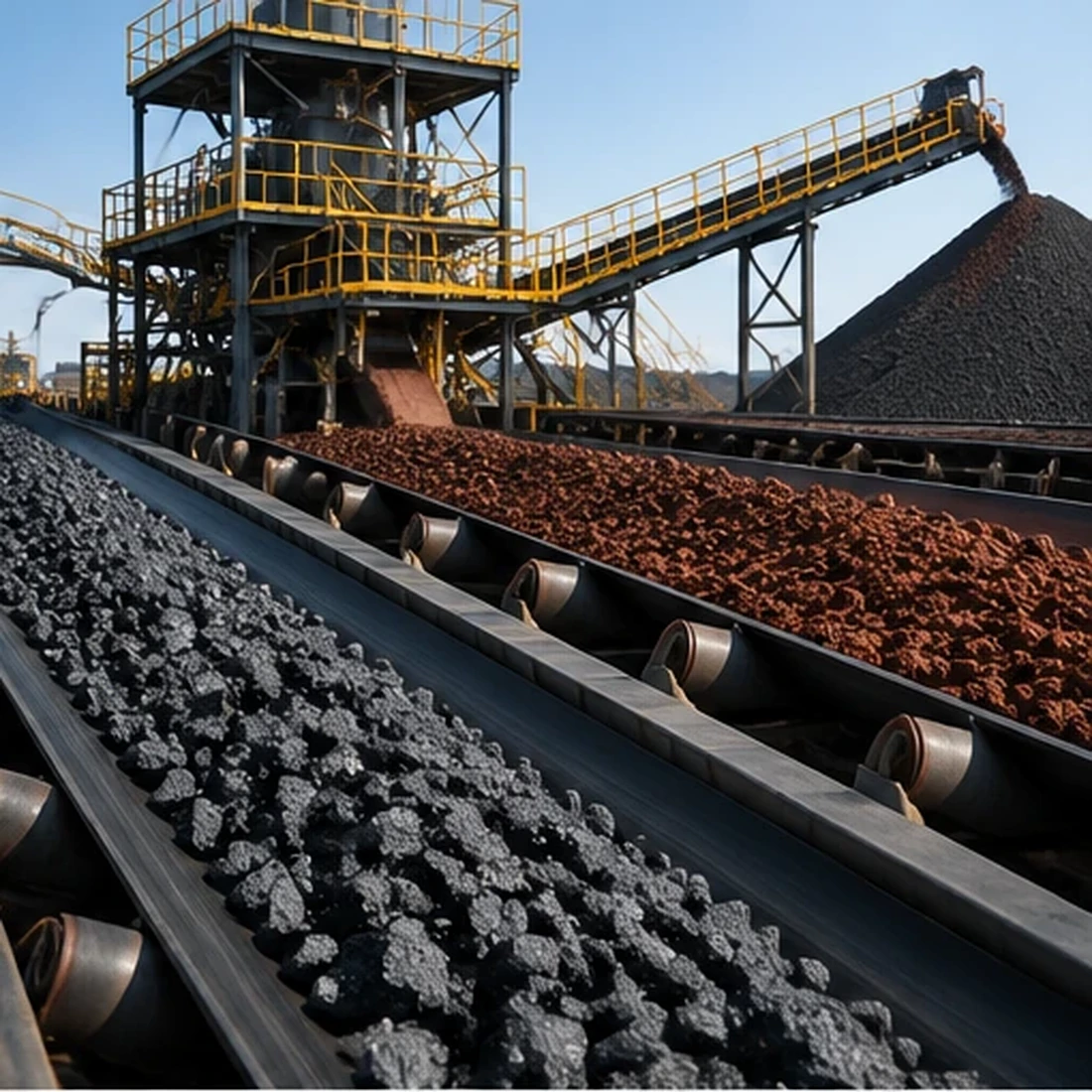
Crushing, Grinding & Sizing
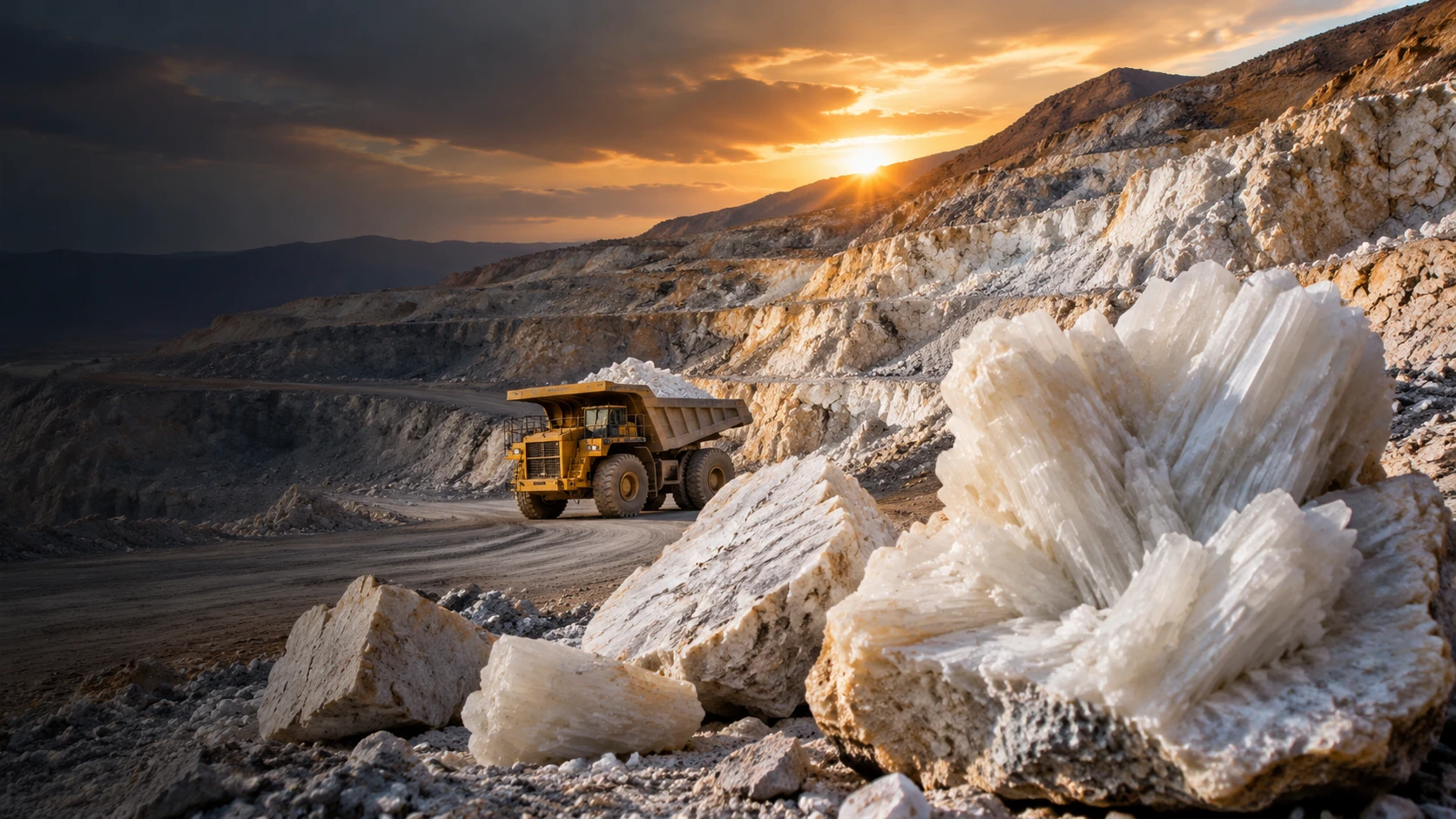
The source article describes feldspar as being extracted mainly from open-pit mines in Iran, then processed into powder or sized material for industrial needs.
Typical Mineral Preparation Stages
These stages are a simplified industry overview; the exact process depends on the deposit and buyer specification.
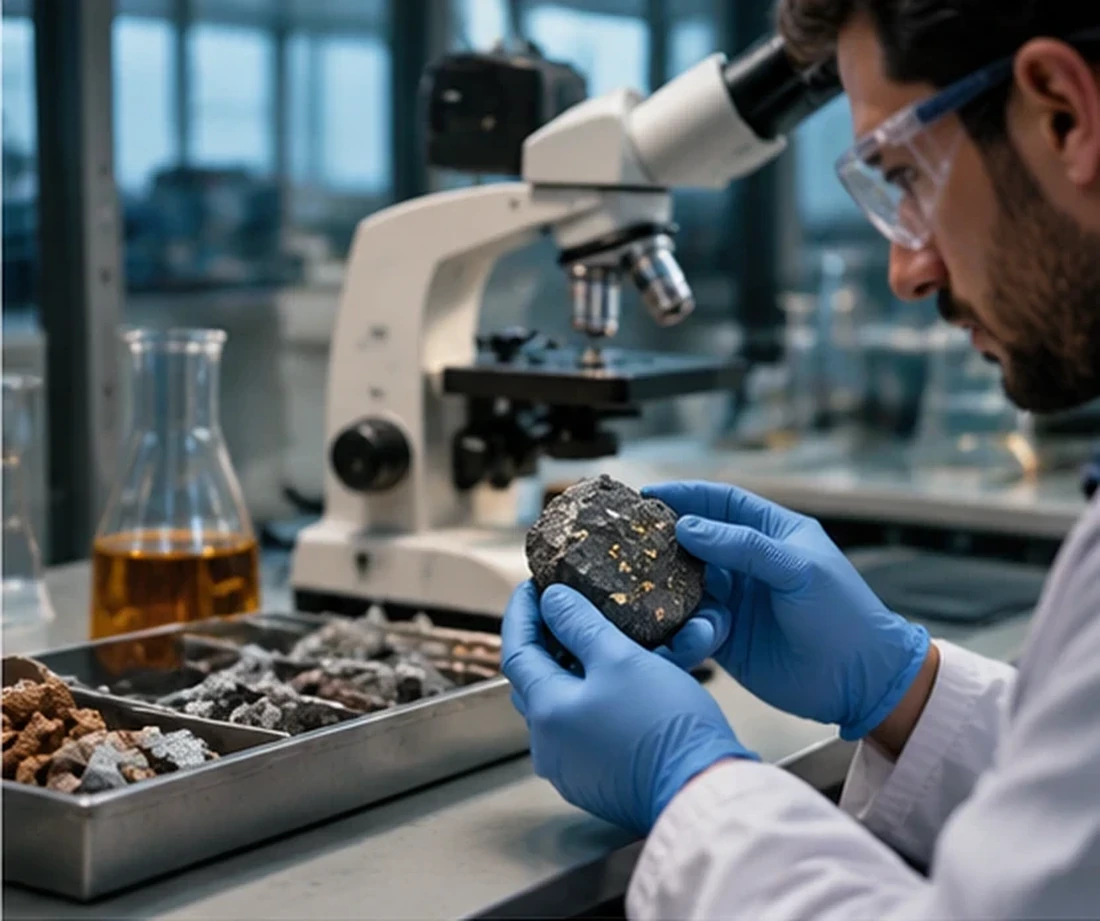
This section summarizes general processes described in the legacy article and does not claim that IRMinEX owns or operates a specific mine or processing plant.
09 / IRANIAN RESOURCE REGIONS
Kaolin & Feldspar Resources in Iran
The original IRMinEX article identifies several provinces associated with kaolin and feldspar extraction. The regions below are retained from that source and are not a current reserve or production ranking.
Regions Named for Kaolin
Regions Named for Feldspar
10 / EXPORT CONTEXT
Regional and International Market Access
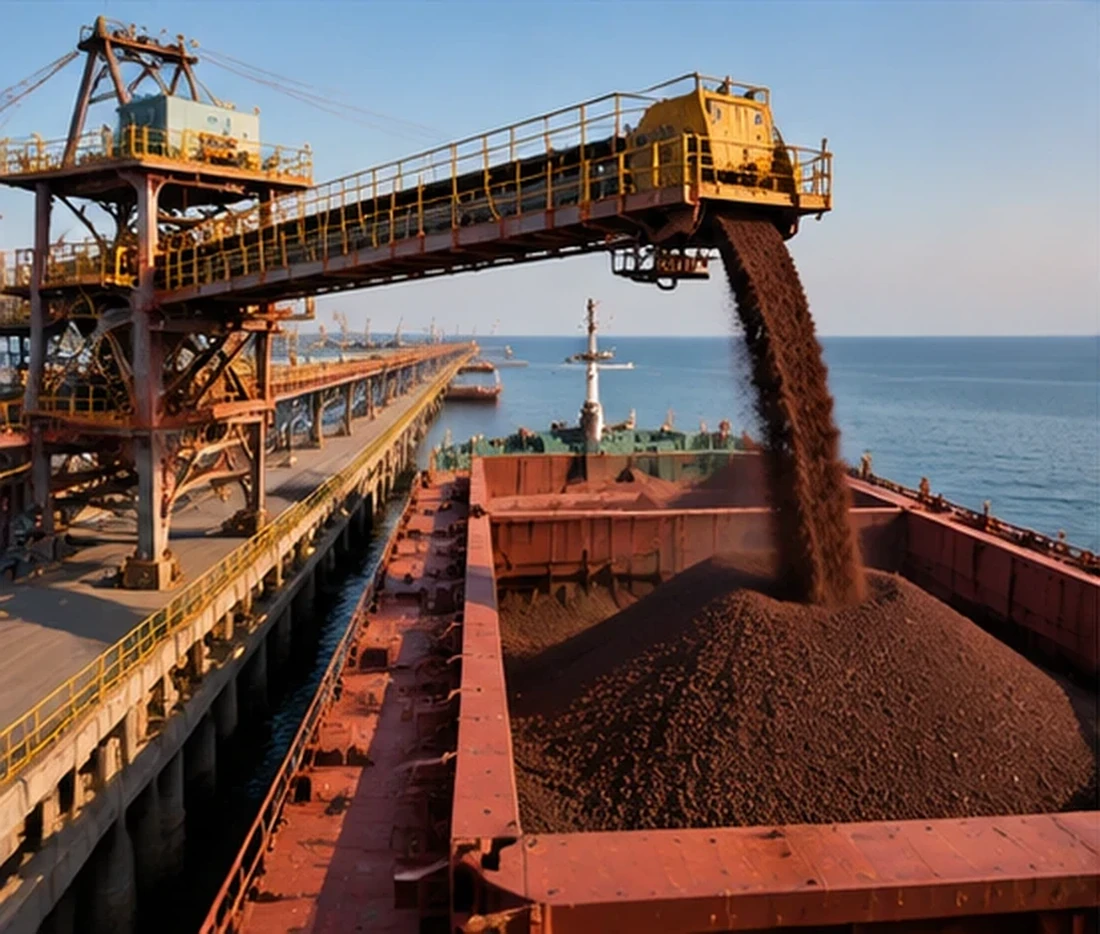
The legacy IRMinEX article describes exports of Iranian kaolin to markets in the Middle East and Southeast Asia. For feldspar, it identifies Middle Eastern, Southeast Asian and some African countries among the historical export destinations.
11 / INDUSTRY LANDSCAPE
Challenges and Opportunities
The original article identifies technology, international competition and transportation as factors affecting the extraction and export of kaolin and feldspar.
Areas Requiring Attention
- Limitations in advanced extraction and processing technology
- Competition from producers such as China, India, Turkey and African countries
- Transportation and export infrastructure constraints in some regions
Potential Areas for Growth
- Expansion into additional international markets
- Demand from developing markets for ceramics, glass and building materials
- Improved use of domestic resources through investment in extraction and processing
12 / BUYER ENQUIRY CHECKLIST
What to Include in a Kaolin or Feldspar Enquiry
Clear technical and commercial requirements help determine whether a proposed mineral product is suitable for the intended manufacturing process.
KAOLIN & FELDSPAR / FAQ
Frequently Asked Questions
Answers to common questions about the two minerals, their uses and Iranian resource regions.
What is the difference between kaolin and feldspar?
Kaolin is a soft clay primarily composed of kaolinite, while feldspar is a group of aluminosilicate minerals. The source article highlights kaolin’s whiteness and plasticity and feldspar’s role in glass and ceramic manufacturing.
What is the chemical formula of kaolin?
The principal kaolinite composition is represented as Al₂Si₂O₅(OH)₄, hydrated aluminium silicate.
What are the main types of feldspar?
The legacy IRMinEX article identifies potassium feldspar (K-feldspar), sodium feldspar (Na-feldspar) and calcium feldspar (Ca-feldspar).
Which industries use kaolin?
The source article lists ceramics and tiles, paints and coatings, paper manufacturing, plastics and pharmaceutical additives, subject to grade suitability and regulatory requirements.
Which industries use feldspar?
The article lists glassmaking, ceramics and tiles, casting, paints, plastics and rubber manufacturing.
Where are kaolin resources found in Iran?
The original article identifies Khorasan, Yazd, Fars and Kerman in its discussion of kaolin extraction areas.
Where are feldspar resources found in Iran?
The original article names Yazd, Kerman and Semnan as feldspar extraction regions.
Are current grades, prices and available quantities published?
The legacy page does not provide current commercial specifications, prices or available tonnage. These details should be confirmed for each enquiry.
IRMINEX / KAOLIN & FELDSPAR ENQUIRY
Looking for Kaolin or Feldspar from Iran?
Share your required mineral type, end-use application, technical specification, quantity and destination. The IRMinEX team can review your enquiry and discuss the next steps.