
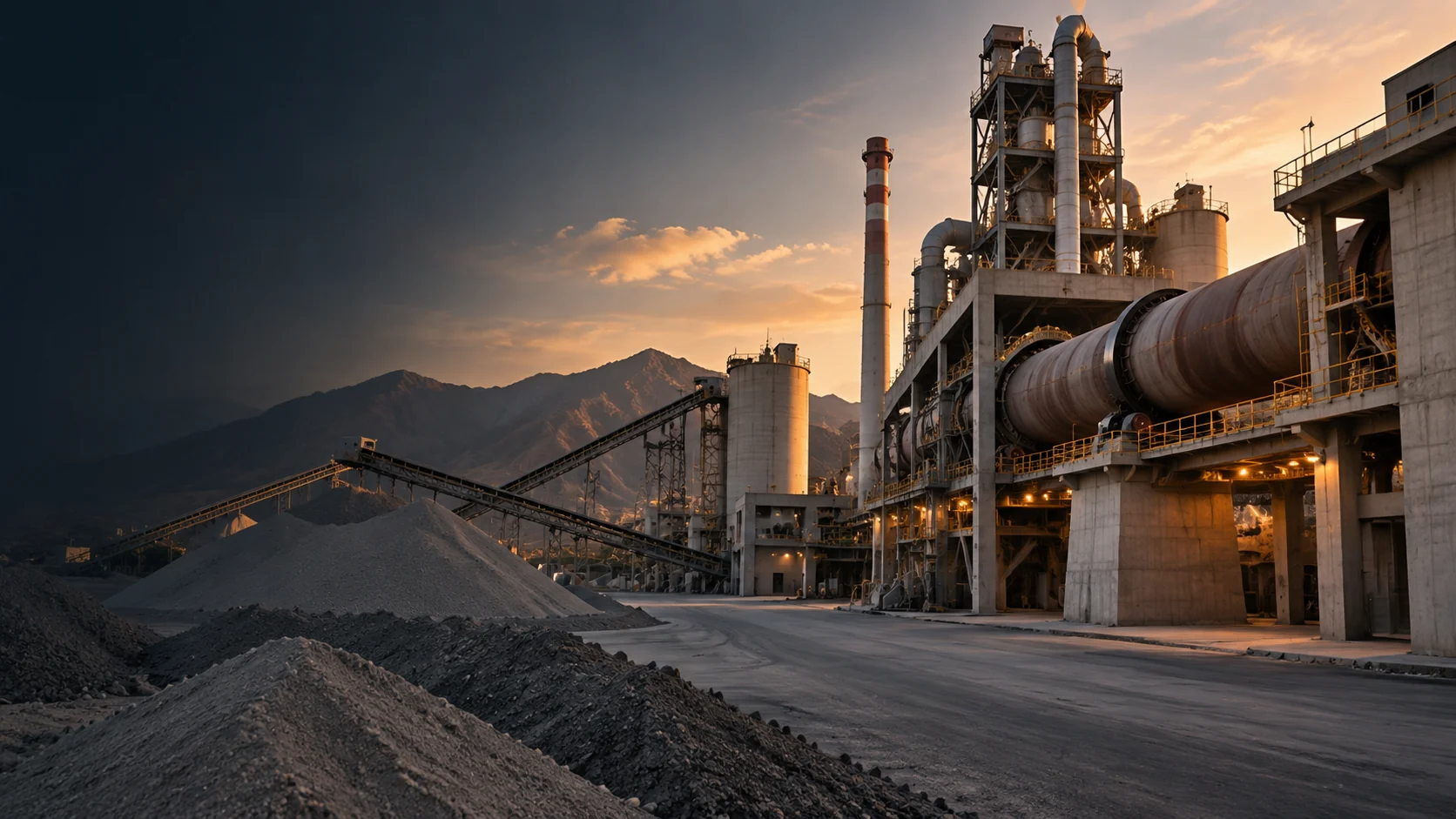
BUILDING MATERIALS / IRANIAN CEMENT
Cement from Iran
Reliable Material for Construction and Infrastructure
Cement is a finely ground hydraulic binder used to produce concrete and mortar. IRMinEX provides a point of contact for enquiries about Iranian cement, product types, technical documentation and export coordination.
01 / PRODUCT OVERVIEW
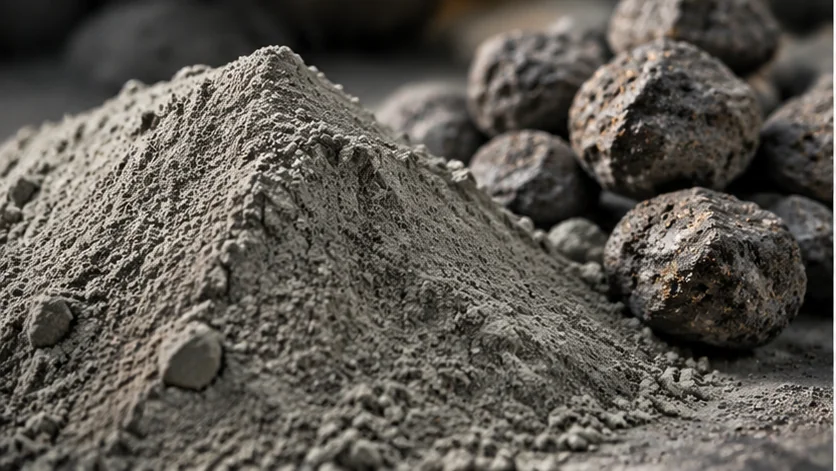
What Is Cement?
Cement is a finely powdered binding material. When mixed with water, it forms a paste that sets and hardens, binding aggregates together to make concrete and mortar.
Portland cement is produced by heating a prepared blend of mineral raw materials to form clinker. The clinker is then cooled and ground with a controlled amount of gypsum to produce the finished cement.
02 / RAW MATERIALS & COMPOSITION
What Goes into Cement?
Cement composition depends on the cement type and applicable standard. The source article identifies the principal raw material constituents used in cement manufacture.
Lime / Calcium Oxide
Derived mainly from limestone and a key constituent of Portland cement clinker.
Silica
Usually introduced through clay, shale or other silica-bearing raw materials.
Alumina & Iron
Contribute to the mineral phases formed during high-temperature clinker production.
Gypsum
Added during finish grinding to help regulate cement setting time.
03 / TYPES OF CEMENT
Cement Types for Different Applications
The legacy IRMinEX article identifies several cement categories. Selection should be based on project conditions, required performance and the governing standard.
Ordinary Portland Cement (OPC)
Commonly used for general concrete and mortar applications in building and infrastructure work.

Pozzolanic Portland Cement (PPC)
Contains pozzolanic material and is used where its performance characteristics suit the project environment.
White, Sulfate-Resistant & Rapid-Hardening
Specialist formulations serve decorative work, sulfate exposure or projects requiring faster early strength development.

04 / TECHNICAL SPECIFICATIONS
What Should Buyers Verify?
Cement purchasing decisions should be based on the relevant product standard and a current technical data sheet or certificate of analysis for the supplied lot.
05 / INDUSTRIAL APPLICATIONS
Where Is Cement Used?
Cement is a core binder across construction and infrastructure, with specialist formulations used where exposure or project requirements call for specific performance.
Ready-Mix Concrete
Buildings, foundations, slabs and structural elements.
Mortar & Masonry
Brickwork, blockwork, plastering and tile installation.
Precast Products
Concrete blocks, panels, pipes and precast components.
Infrastructure
Roads, bridges, dams, tunnels and marine structures.
06 / CEMENT MANUFACTURING
From Raw Materials to Finished Cement
The source article outlines a conventional production sequence from quarrying to packaging. Actual plant configurations and process controls vary.
Extraction & Preparation
Limestone, clay, silica-bearing materials and corrective components are quarried, crushed and blended.
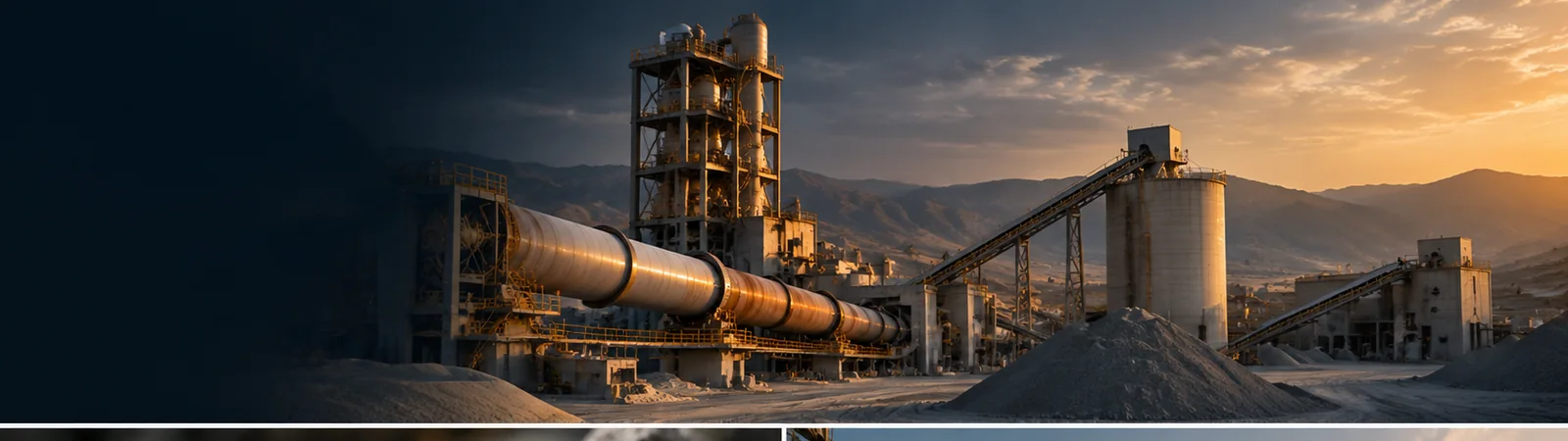
Rotary Kiln & Clinker
The prepared raw meal is heated at high temperature in a kiln to form clinker phases.
Finish Grinding
Cooled clinker is ground with gypsum to produce cement and control setting behaviour.
Storage & Dispatch
Finished cement is stored in silos and dispatched in bags or bulk according to the order.
07 / CEMENT IN IRAN
Iranian Cement Industry
The legacy IRMinEX article describes Iran as a significant cement producer in the Middle East, supported by the availability of key raw materials such as limestone and clay. It notes that domestic factories serve local demand and that a portion of production is exported.
These statements reflect the source article and should not be interpreted as a current production, capacity or export-volume guarantee.
08 / DOMESTIC MARKET
Supporting Construction and Infrastructure
Cement is used across a wide range of construction activities and infrastructure projects.
Residential & Commercial
Concrete frames, foundations, floors, masonry and general building works.
Transport Infrastructure
Roads, bridges, tunnels and other civil engineering structures.
Industrial & Marine Works
Precast components, dams, wharves and structures exposed to demanding conditions.

09 / EXPORT MARKETS
Cement Export Coordination
The legacy article describes cement exports from Iran to neighbouring and more distant markets, but it does not provide a current verified destination list or shipment availability. Each enquiry requires a destination-specific review.
10 / COMMERCIAL CONSIDERATIONS
What Determines a Suitable Cement Supply?
A successful cement order requires alignment between technical performance, packing, handling, delivery and the receiving market's requirements.
Match Cement to the Project
- Confirm cement type and applicable standard
- Review strength class and test certificates
- Check setting time and soundness requirements
- Specify any sulfate or environmental exposure conditions
Prepare a Clear Delivery Plan
- Confirm bagged or bulk cargo requirements
- Agree order quantity and loading arrangements
- Review storage, moisture protection and transit time
- Verify import approvals and trade compliance
11 / BUYER CHECKLIST
Information to Include in a Cement Enquiry
Providing clear technical and delivery details helps determine the appropriate product and export arrangement.
CEMENT / FAQ
Frequently Asked Questions
Answers to common questions about cement types, production, applications and export enquiries.
What is cement?
Cement is a powdered hydraulic binder that sets and hardens when mixed with water. It is used to bind aggregates in concrete and to produce mortar.
What is the difference between cement and clinker?
Clinker is the intermediate nodular material formed in the kiln. Cement is produced by grinding cooled clinker with gypsum and, depending on the type, other constituents.
What are the main types of cement?
The source article lists Ordinary Portland Cement, Pozzolanic Portland Cement, white cement, sulfate-resistant cement, rapid-hardening Portland cement and hydraulic cement.
What raw materials are used to manufacture cement?
Common raw materials include limestone, clay, silica-bearing materials and iron-bearing corrective materials. Gypsum is added during finish grinding to help regulate setting time.
How is cement produced?
Raw materials are extracted, crushed and blended, heated in a rotary kiln to form clinker, then cooled and ground with gypsum before storage and dispatch.
What should a cement buyer check?
Buyers should confirm cement type, applicable standard, strength class, setting characteristics, soundness, fineness, packaging, quantity and the relevant test documents.
Does IRMinEX publish current cement prices and availability?
The legacy article does not publish current prices, stock, production capacity or available tonnage. These details must be confirmed for each enquiry.
Can cement be exported from Iran?
The legacy article describes cement exports from Iran. Current export procedures, market access, approvals, freight and shipment feasibility must be checked at the time of enquiry.
IRMINEX / CEMENT ENQUIRY
Discuss Your Cement Requirements
Contact IRMinEX with your required cement type, standard, strength class, packing, quantity and destination to discuss technical information and export requirements.