IRMINEX / STORAGE & EXPORT LOGISTICS
Centralized Warehousing for Minerals & Petrochemicals
Storage planning, stock control and export coordination for bulk minerals and industrial chemical products — aligned with product characteristics, handling requirements and shipment schedules.
A CONNECTED PART OF THE EXPORT CHAIN
Why Centralized Warehousing Matters
Warehousing connects product sourcing with inspection, inventory management and final dispatch. When material from different suppliers or production lots is consolidated under a clear operating plan, buyers and exporters can coordinate documentation, quality checks and shipment preparation more effectively.
The right storage arrangement is never one-size-fits-all. It depends on the commodity, physical and chemical properties, packaging, quantity, expected storage period, destination requirements and the planned transport route.
Centralization can improve visibility and coordination, but actual capacity, handling equipment, storage conditions and availability must always be confirmed with the relevant facility operator for the specific product and date.
STORAGE MUST MATCH THE PRODUCT
Common Warehousing & Storage Formats
Facility type should be selected according to the material’s form, sensitivity, packaging and handling method. The formats below are general options, not a statement that every port offers each facility.
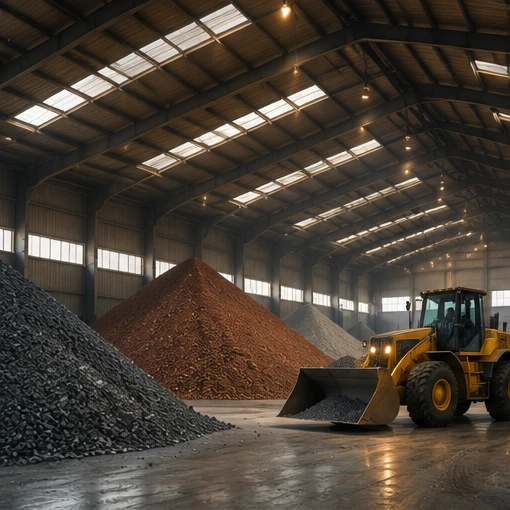
Open Stockyards
May suit selected robust bulk materials when the surface, drainage, dust management, segregation and weather exposure are appropriate for the cargo.
Covered Warehouses
Can protect suitable packaged or moisture-sensitive materials from rain, direct sunlight, contamination and uncontrolled exposure.
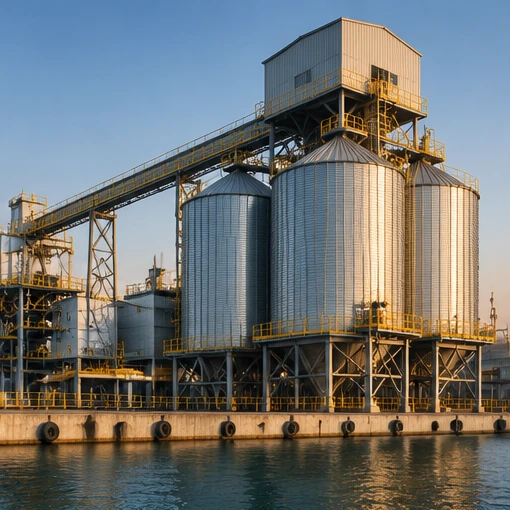
Silos & Bulk Storage
Designed for compatible free-flowing products where controlled intake, discharge, dust management and product-specific design are available.
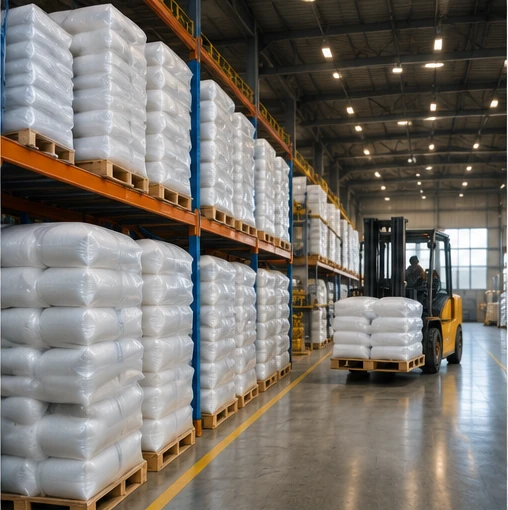
Bagged & Palletized Storage
Supports lot identification, unit counting, inspection access and organized dispatch for polymers, additives and other packaged products.
Dedicated Chemical Storage
Requires product compatibility review, suitable containment, ventilation and safety controls based on the product documentation.
Tank Storage
Only appropriate where a compatible, approved tank system and the required operating, monitoring and emergency arrangements are confirmed.
Facility suitability, permitted cargoes, available capacity and operating conditions must be verified with the facility operator before a storage or shipment commitment is made.
MINERAL STORAGE
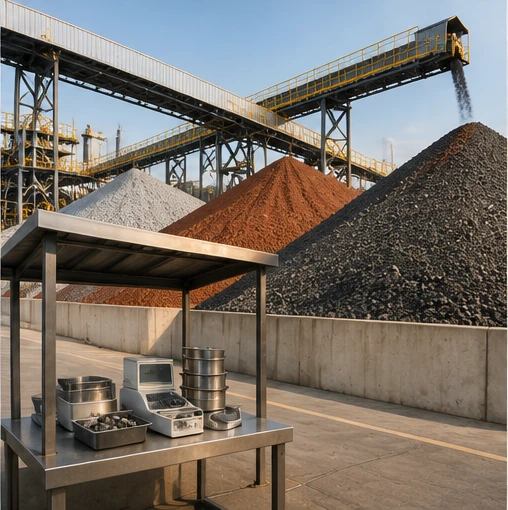
Protecting Mineral Lots During Storage
Iron ore, gypsum, clinker, cement, copper-bearing materials and other mineral products can have different storage and handling needs. The plan should reflect the product’s physical properties, moisture sensitivity, particle size, packaging and intended end use.
PETROCHEMICAL STORAGE
Product-Specific Handling for Petrochemicals
Petrochemical products are not a single storage category. Polymers supplied in bags, liquid chemicals, gases and other industrial products may require very different packaging, storage systems and safety arrangements.
Storage conditions should be determined from the product specification and current Safety Data Sheet (SDS), including handling and storage precautions, incompatibilities, exposure controls and emergency information.
Protect bagged or palletized products from damage, contamination and unsuitable environmental exposure; maintain clear batch identification.
Confirm product compatibility with the tank, container, seals and transfer system, as well as containment and operating controls.
Review temperature, ventilation, segregation, fire protection and emergency measures according to the specific product classification.

IRAN / PORT & ROUTE CONSIDERATIONS
Port Locations Referenced in the IRMinEX Service Overview
The previous IRMinEX page highlighted the following locations in its warehousing discussion. They are starting points for a route and facility review — not a confirmation of current storage capacity, permitted cargoes or available services.
Imam Khomeini Port
The legacy page discusses mineral products such as iron ore, gypsum and cement, alongside selected petrochemical products. Confirm the exact terminal, storage type and cargo acceptance for each enquiry.
Mahshahr
Referenced in the original overview for petrochemical trade and packaged or specialized chemical storage. Product compatibility and the operating facility must be checked before planning.
Abu Musa
Named in the original page as a potential storage location. Current commercial access, infrastructure, cargo permissions and facility availability require direct verification.
Chabahar Port
The original page highlighted Chabahar’s regional position and development context. Confirm the current terminal capability, route suitability and storage arrangements for the intended cargo.
INVENTORY VISIBILITY
Warehouse Management & Stock Control
A structured warehouse management process helps connect physical inventory with commercial and shipping records. Digital systems can support this process, but the level of system integration varies by operator and facility.
Goods Receipt
Record product identity, supplier, quantity, packaging, batch or lot number and receipt condition.
Location & Segregation
Assign an identified storage location and maintain separation rules for different products or lots.
Inventory Movement
Track transfers, partial releases, stock adjustments and inspection holds with an auditable record.
Dispatch Reconciliation
Match released quantities and lot references with loading records and export documentation.
OPERATIONAL VALUE
What a Well-Planned Storage Operation Can Improve
Benefits depend on facility capability, the operating process and the cargo. A coordinated plan can reduce avoidable friction across the supply chain.
Shipment Readiness
Organized inventory and clear release procedures can help align product availability with inspection and vessel schedules.
Product Protection
Suitable storage, segregation and handling controls can reduce exposure to moisture, contamination and avoidable physical damage.
Inventory Visibility
Consistent lot and movement records make it easier to reconcile quantities, identify stock and prepare dispatch documentation.
Risk & Compliance Control
Product-specific procedures support safer handling, clearer responsibilities and better preparation for inspection and transport.
SAFETY, DOCUMENTATION & ENVIRONMENT
Plan Storage Around the Cargo and Its Transport Rules
Storage and shipment planning should use the correct product information and the applicable transport framework. The rules differ between solid bulk cargoes and dangerous goods carried in packaged form.
For solid bulk cargoes carried by sea, the IMO’s IMSBC Code addresses safe stowage and shipment, including cargo-specific hazards and precautions. For dangerous goods in packaged form, the IMDG Code includes requirements relating to packaging, stowage and segregation of incompatible substances.
For chemical products, the Safety Data Sheet should be reviewed for storage conditions, incompatibilities and emergency measures. Facility-level procedures and local requirements also apply.
FROM STORAGE TO SHIPMENT
Connect Warehousing with Export Coordination
Storage creates value when it is connected to the next stage: inspection, quantity reconciliation, cargo release, inland movement, port handling and loading. The sequence should be planned around the product, destination, agreed trade terms and confirmed logistics arrangements.
IRMinEX’s related services cover mineral sourcing, petrochemical products, export access and loading coordination. Each enquiry should be assessed against the actual product and route rather than assumed facility availability.

WAREHOUSING FAQ
Frequently Asked Questions
Key considerations for mineral and petrochemical storage enquiries.
Can all minerals be stored in an open stockyard?
No. The suitability of open storage depends on the product’s physical properties, moisture sensitivity, contamination risks, local weather and the facility’s operating controls. Some materials require covered or dedicated storage.
Do petrochemical products require specialized warehouses?
Some do, but requirements vary widely. Bagged polymers, liquid chemicals and gases have different storage needs. The product specification, SDS, packaging and applicable safety rules should guide the facility selection.
Which Iranian ports are mentioned in the IRMinEX warehousing overview?
The original page names Imam Khomeini Port, Mahshahr, Abu Musa and Chabahar. These references do not confirm current capacity or availability; each facility and cargo acceptance must be verified directly.
What is the purpose of a warehouse management system?
A warehouse management process or system can help record receipts, locations, lot identity, inventory movements, inspection holds and dispatch quantities. Actual capabilities depend on the facility operator’s systems.
Does centralized warehousing always reduce export costs?
Not automatically. It may reduce duplicated handling or improve coordination, but the total cost depends on storage rates, inland transport, handling, dwell time, inspection, port charges and the shipment schedule.
Does IRMinEX own or operate the warehouses shown on this page?
The images are illustrative. This page describes warehousing considerations and export coordination; it does not claim ownership or operation of the pictured warehouses, ports, silos, tanks or handling equipment.
IRMINEX / STORAGE ENQUIRY
Looking for a Storage Plan for Your Export Cargo?
Tell us the product, quantity, packaging, storage period and destination. Our team can review the enquiry and discuss the information required to assess suitable storage and export arrangements.