
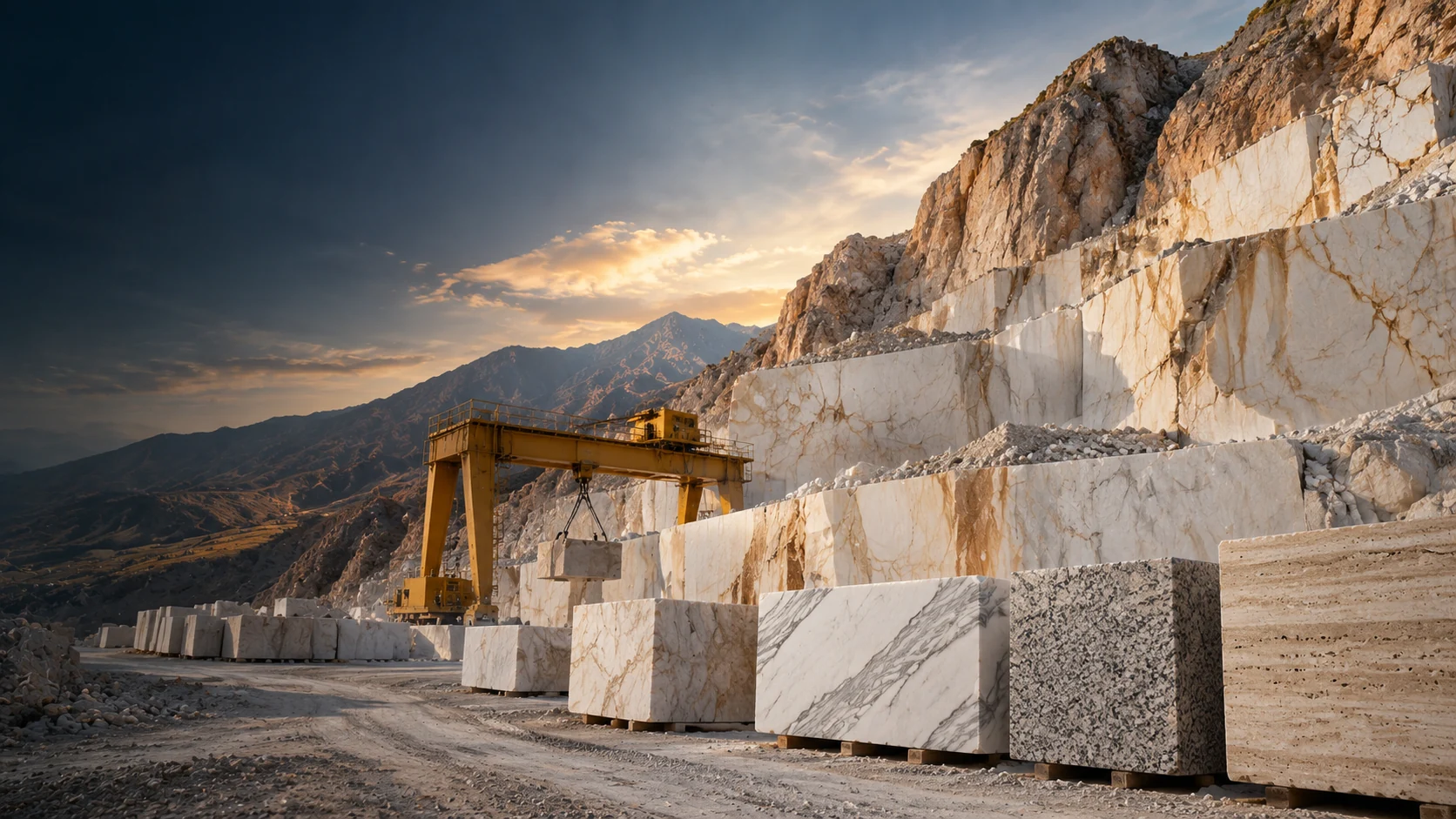
NATURAL STONE / IRANIAN EXPORT
Granite, Marble & Travertine from Iran
Natural Character. Distinctive Surfaces. Lasting Applications.
Explore three major families of Iranian decorative and construction stone. From marble veining and granite durability to the distinctive pores of travertine, each material offers different visual and performance characteristics for architectural projects.
01 / PRODUCT OVERVIEW
Natural Stone from Iran
Granite, marble and travertine are widely used in construction, architecture and interior design. Their geological origins create different textures, patterns, hardness levels and practical characteristics.
The original IRMinEX article describes Iran as a significant producer of decorative stones, with a range of regional stone resources and applications across domestic and international construction markets.
02 / MARBLE
Marble: Natural Veining and Refined Appearance
Marble is a metamorphic rock formed when limestone is transformed under heat and pressure. Its distinctive veining and range of natural colours make it a familiar choice for interior and architectural design.
Calcite Composition
Primarily composed of calcite, or calcium carbonate, according to the source article.
Mohs Hardness
The legacy article gives a typical hardness range of approximately 3 to 5 on the Mohs scale.
Distinctive Patterns
Natural veining and colour variation may include white, pink, beige, green and black tones.
Workability
Compared with harder stone types, marble is relatively workable for carving and shaping.
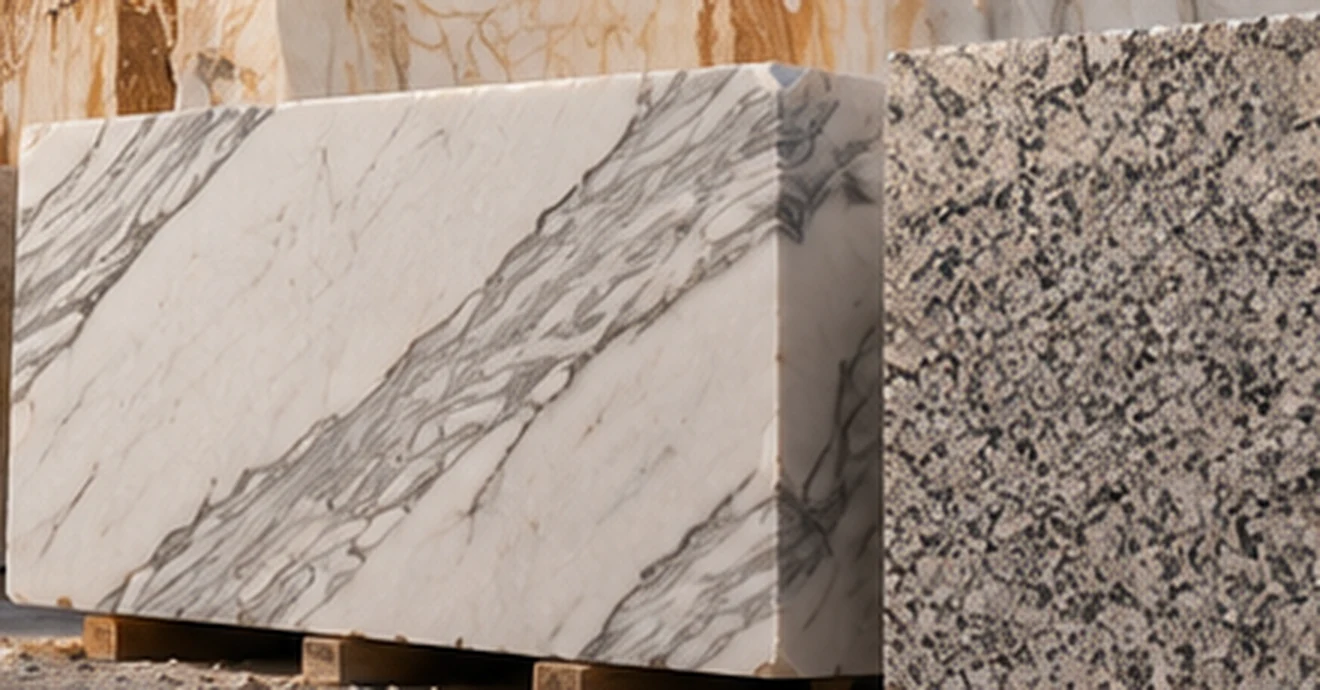
MARBLE / NATURAL VARIATION
Every Block Has Its Own Character
Vein direction, tone and pattern can vary between blocks and slabs. For coordinated interiors or multi-stage projects, sample approval and batch planning help set clear visual expectations.
03 / GRANITE
Granite: Hardness and Long-Term Durability
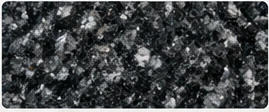
Granite is an igneous rock formed through the cooling of magma deep within the Earth. Its interlocking mineral grains and high hardness make it suitable for demanding construction and high-traffic applications.
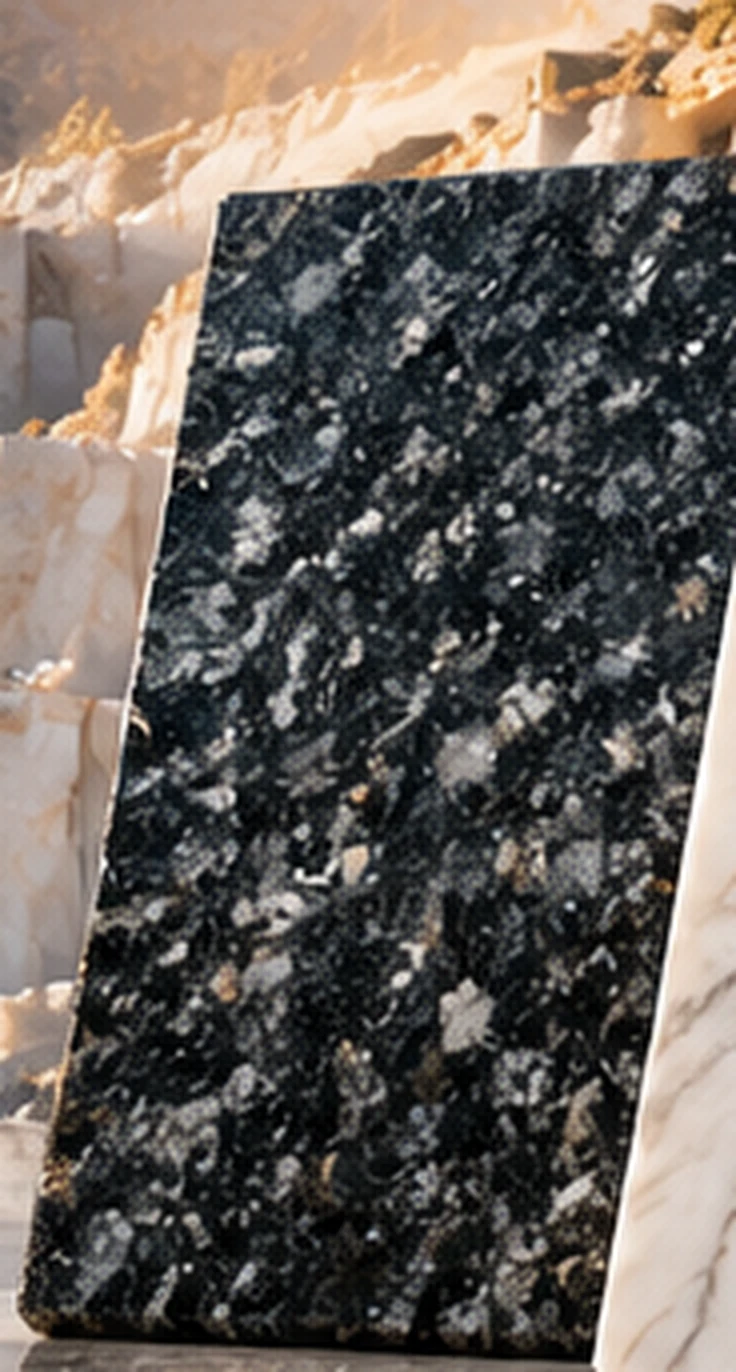
Quartz, Feldspar & Mica
These minerals form the characteristic granular texture and varied patterns of granite.
Mohs 6–7
The source article describes granite as a hard stone with strong resistance to abrasion and everyday wear.
Grey, Black, Pink, Red & White
Mineral composition and geological formation create a broad range of colours and grain patterns.
04 / TRAVERTINE
Travertine: Texture, Warm Tones and Natural Pores
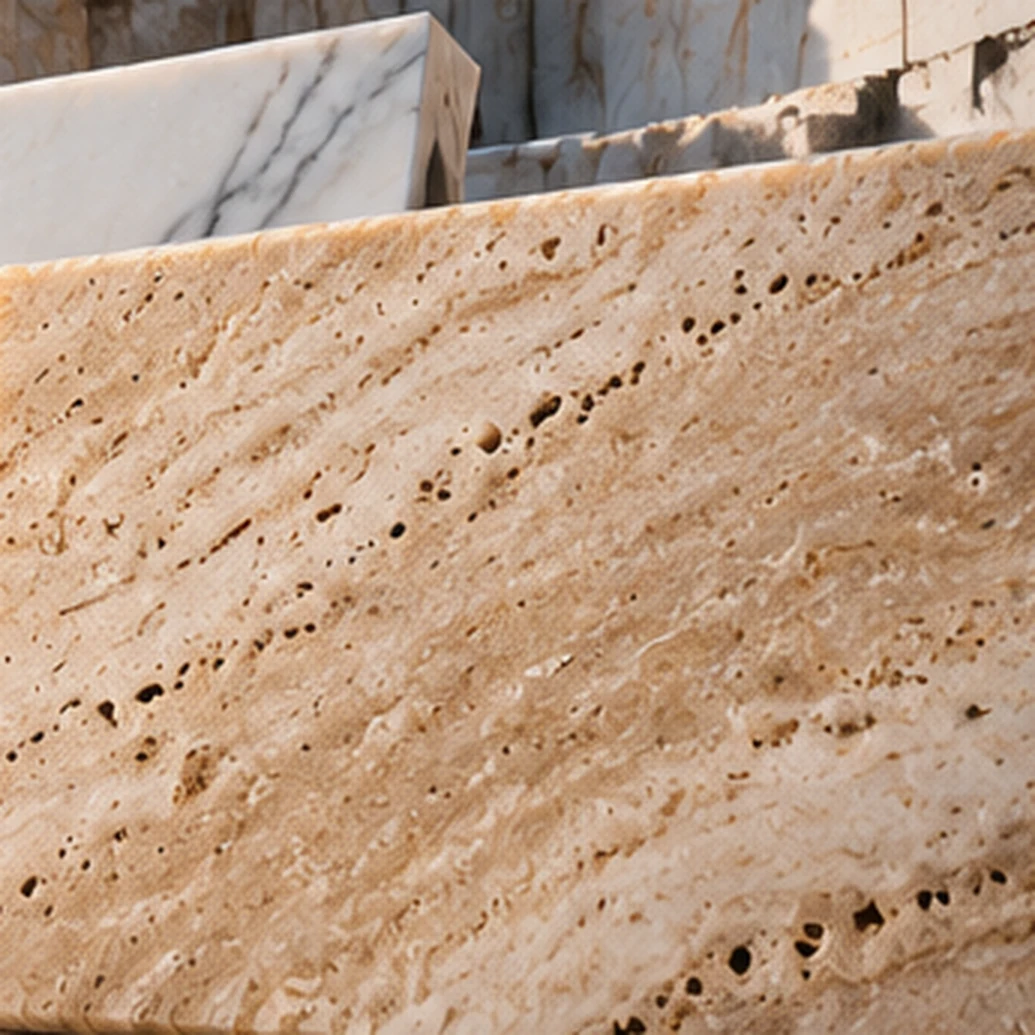
Travertine is a sedimentary carbonate stone formed by calcium carbonate deposits around mineral springs and hot springs. Its visible pores and layered appearance create a recognisable natural surface.
Calcium Carbonate
Travertine is primarily composed of calcium carbonate.
Mohs Hardness
The source article gives a hardness range of around 3 to 4.
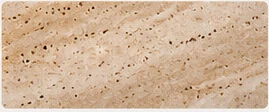
Porous Texture
Natural cavities and pores create its characteristic appearance; some finishes can reduce their visibility.
Warm Natural Colours
Common tones described in the article include cream, white, yellow, brown and red.
TRAVERTINE / FINISH OPTIONS
Texture Can Be Preserved or Refined
Depending on the selected finish, natural pores may remain visible, be partially filled or appear more subdued after surface treatment. Confirm the finish sample for the intended application.
05 / MATERIAL COMPARISON
Which Natural Stone Fits the Project?
These three stones are not interchangeable. The right selection depends on the visual brief, expected use, exposure, maintenance requirements and project specification.
Pattern and Performance
- Marble offers refined veining and is relatively easy to carve.
- Granite is harder, with a granular appearance and strong abrasion resistance.
- Granite is commonly considered for high-traffic areas and countertops.
Texture and Exposure
- Travertine has a distinctive porous surface and warm colour range.
- Its porosity can increase sensitivity to water absorption.
- Finish, sealing, substrate and installation details matter in wet or exposed areas.
The original article describes granite as generally more expensive due to its hardness and durability; actual prices depend on origin, grade, dimensions, finish, processing and market conditions.
06 / ARCHITECTURAL APPLICATIONS
Natural Stone Across Interior and Exterior Design
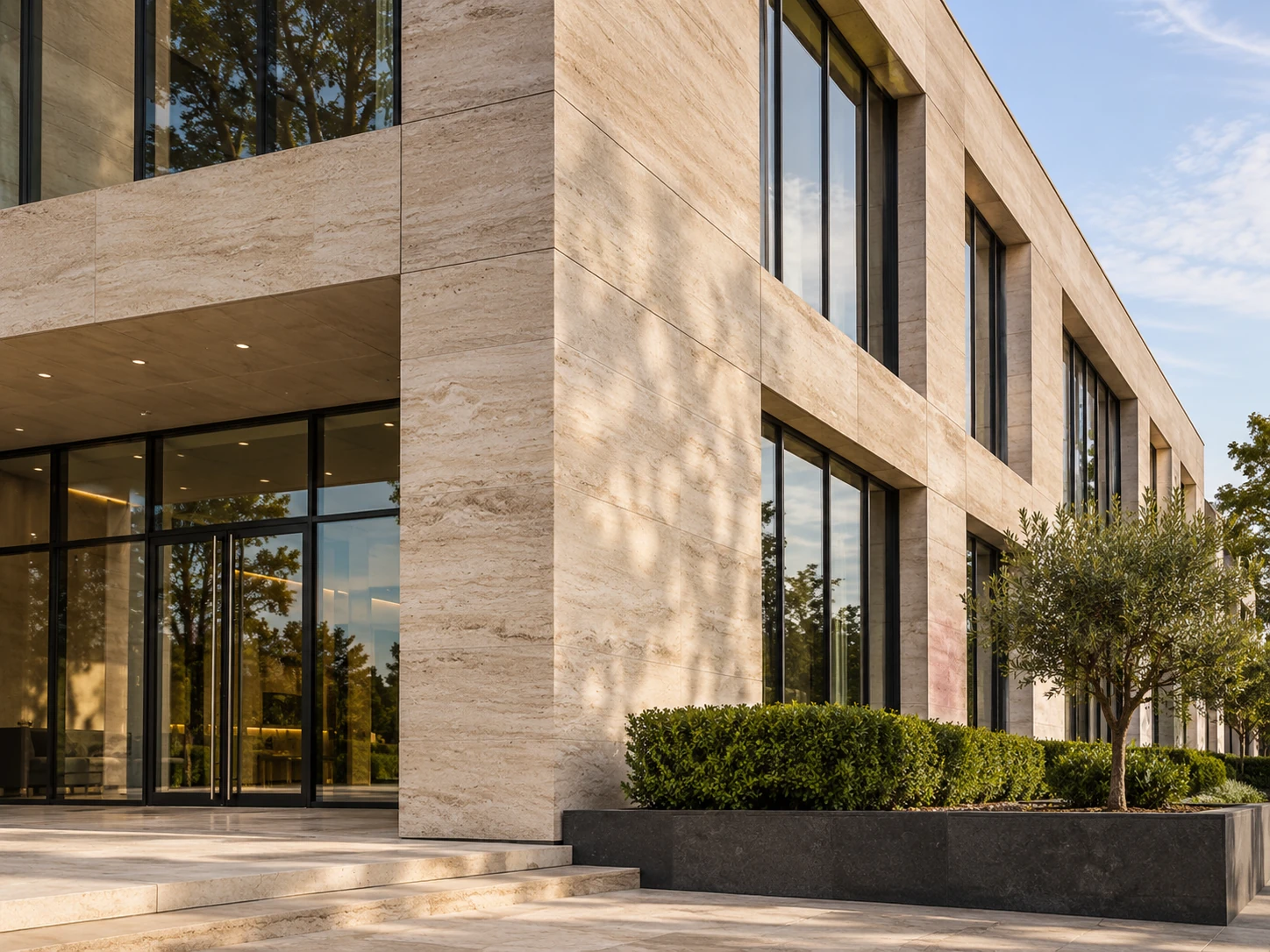
Marble, granite and travertine are used in different ways according to their appearance, hardness, porosity and the technical demands of the project.
01Building Façades
Stone cladding can provide a distinctive architectural finish for selected exterior applications.
EXTERIOR / ARCHITECTURE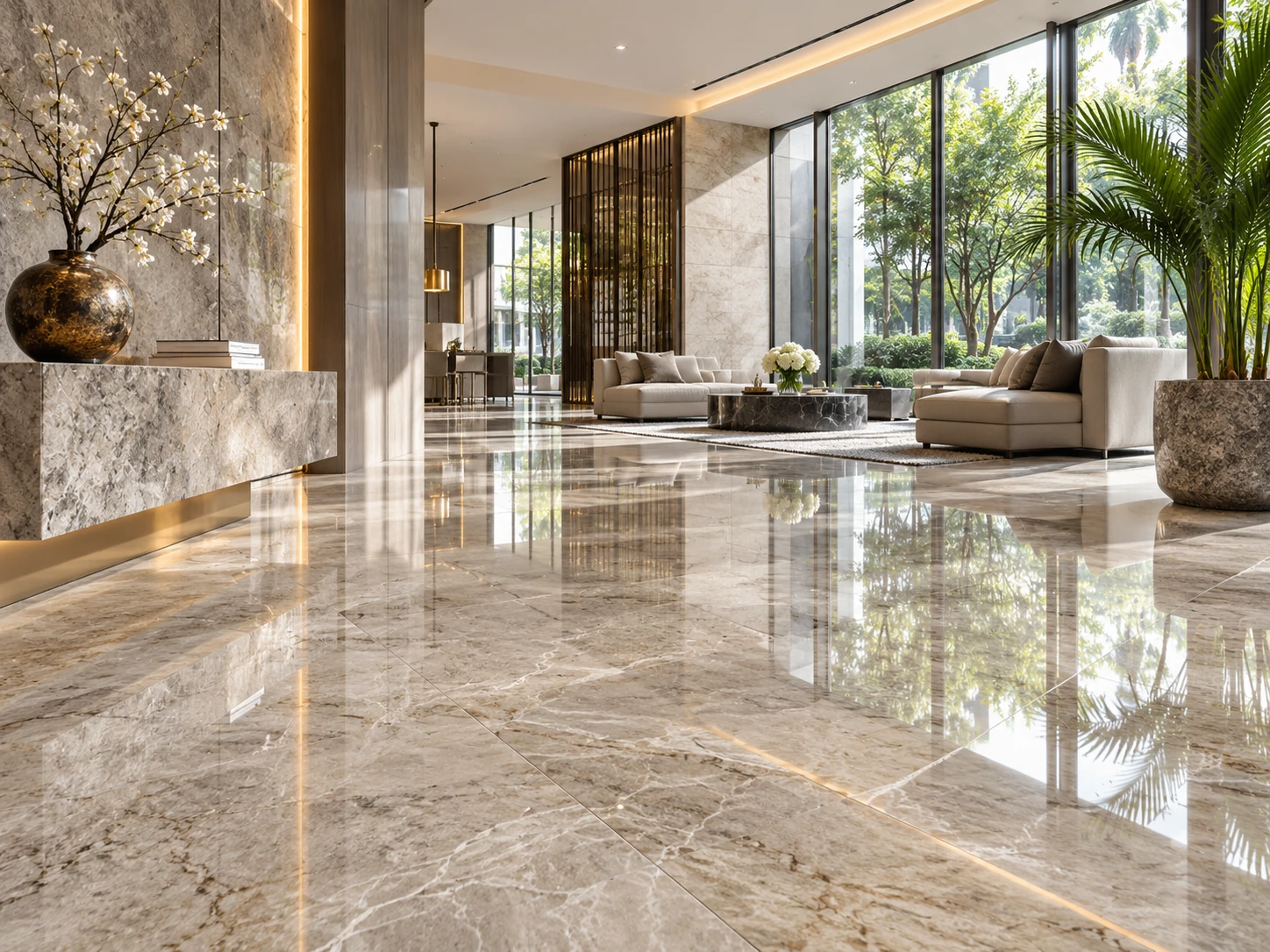 02
Flooring
Granite is suited to high-traffic areas; marble and travertine are also used in interior and exterior floors.
INTERIOR / EXTERIOR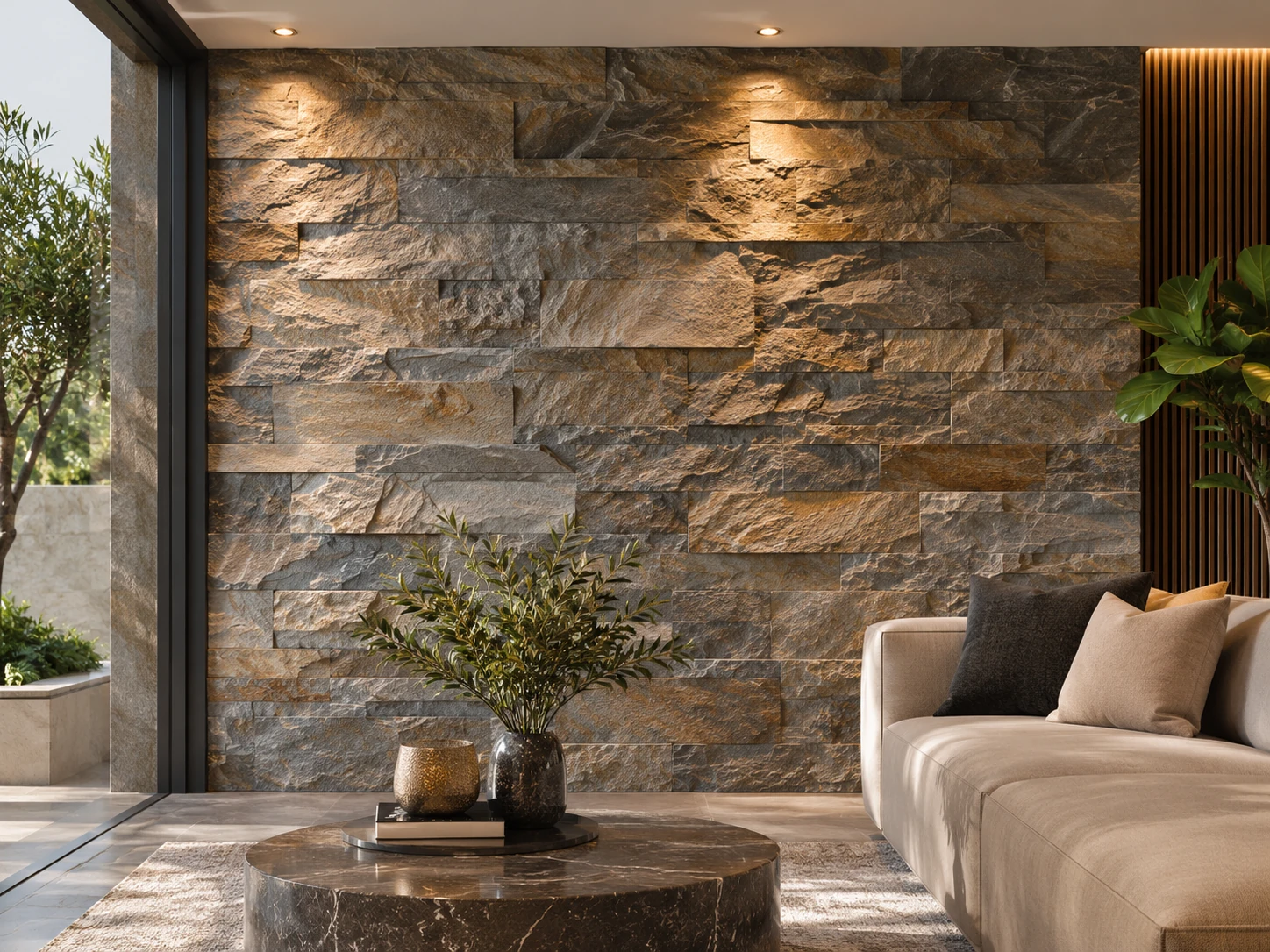 03
Wall Cladding
Natural veining, grain and layered textures create a range of decorative wall finishes.
DECORATIVE SURFACES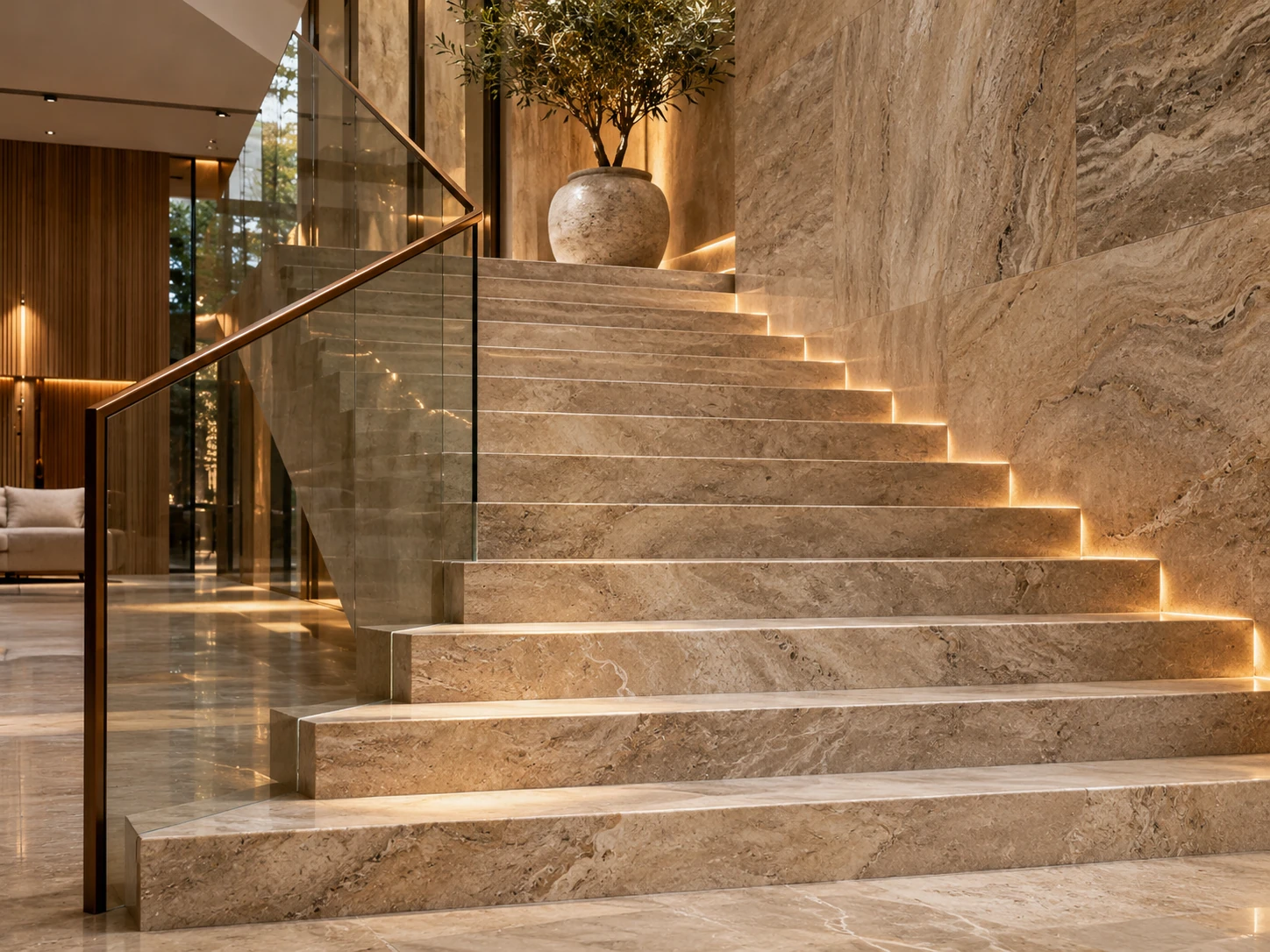 04
Staircases
Stone steps and stair components combine visual character with project-specific performance needs.
BUILDING COMPONENTS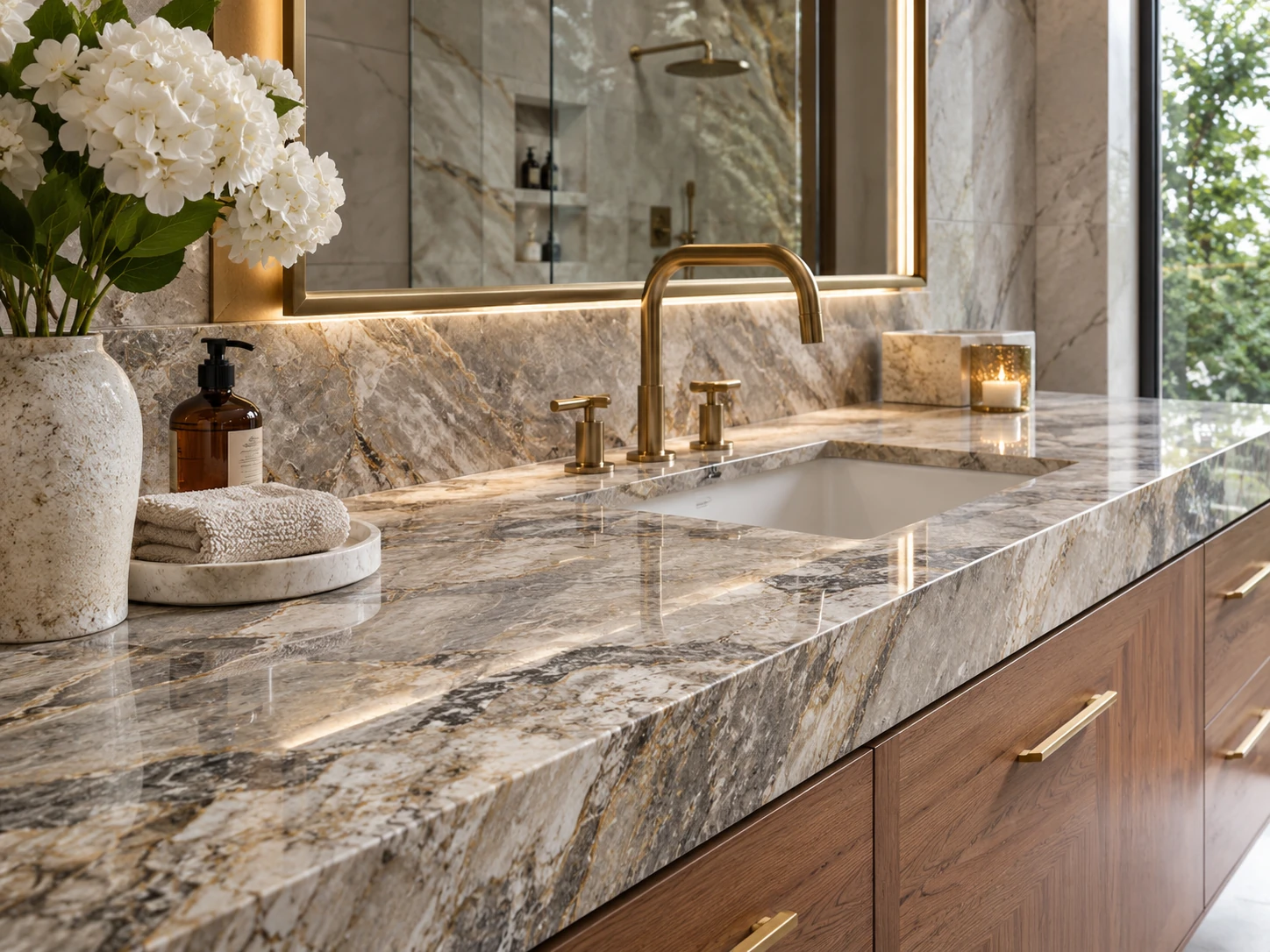 05
Countertops & Vanities
Granite and marble are used for kitchen countertops and bathroom vanity surfaces.
INTERIOR FIT-OUT 06
Sculpture & Water Features
Marble is valued for carving; travertine is also used in fountains and decorative pools.
LANDSCAPE / ART07 / QUARRYING & PROCESSING
From Natural Deposit to Finished Stone
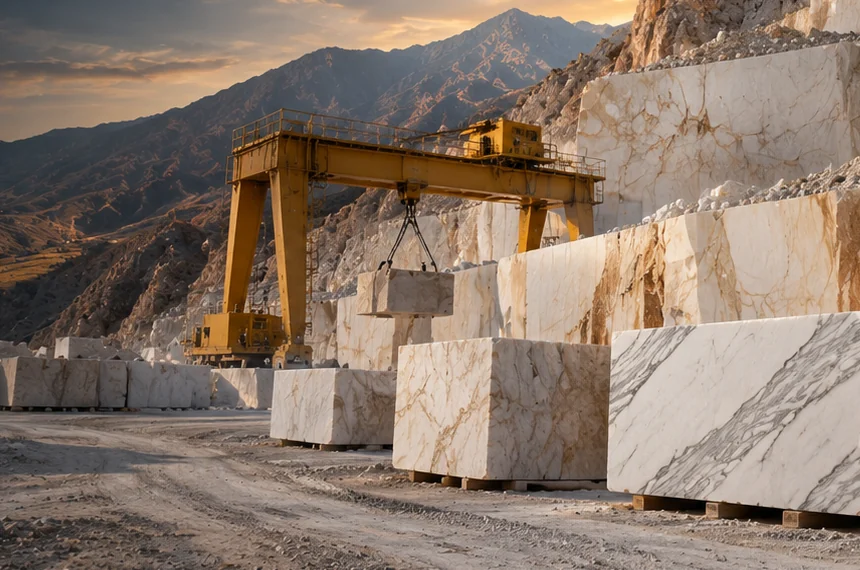
Natural-stone production generally moves through extraction, block preparation, cutting, finishing and inspection. The exact method depends on the stone, quarry conditions and required final dimensions.
Quarry Block Recovery
Stone is separated from the quarry face and selected for block integrity, visible characteristics and suitability for further processing.
Cutting & Surface Finishing
Blocks may be sawn into slabs or tiles, then polished, honed, brushed or otherwise finished to meet the project brief.
Typical Natural Stone Workflow
A general industry sequence; it is not a statement that IRMinEX owns or operates a specific quarry or processing plant.
08 / IRAN'S NATURAL STONE RESOURCES
Stone-Producing Regions Mentioned in the Source
The original IRMinEX article, dated 13 November 2024, identifies several Iranian provinces associated with marble, granite and travertine resources. These are regional references from that article, not a verified current inventory of active quarries or available supply.
09 / EXPORT MARKETS
Iranian Natural Stone in International Trade
The 2024 IRMinEX article refers to a range of regional and international markets for Iranian decorative stone. The destinations below are historical references from that source, not confirmation of current trade activity or shipment availability.
Regional & Global Markets
The source article mentions the Middle East, East Asia, Europe and the Americas as markets for Iranian marble.
Neighbouring & European Markets
The article names Iraq, Dubai, Germany and Turkey in connection with Iranian granite exports.
Regional & Asian Markets
The article mentions Germany, Iraq, Dubai, Turkey and China for Iranian travertine.
10 / COMMERCIAL & QUALITY REVIEW
What Determines a Suitable Stone Consignment?
Natural stone is a geological material, so colour, veining, grain, pores and other visual characteristics can vary between blocks and batches. Buyers should define acceptance criteria before production or shipment.
Dimensions & Surface Quality
- Stone type, origin and requested colour range.
- Block, slab, tile or cut-to-size dimensions and thickness.
- Surface finish, edge treatment and dimensional tolerances.
- Visible cracks, fissures, filled areas and acceptable natural variation.
Performance & Consistency
- Intended application and expected traffic or exposure.
- Water absorption, porosity and relevant test data.
- Batch consistency and sample approval for phased projects.
- Packaging, handling, loading method and destination requirements.
11 / BUYER CHECKLIST
Information to Include in a Natural Stone Enquiry
A clear enquiry helps identify the right material and determine whether the requested dimensions, finish, quantity and delivery terms can be reviewed.
The formats below are common industry options, not a confirmation of current IRMinEX stock.
NATURAL STONE / FAQ
Frequently Asked Questions
Answers to common questions about marble, granite, travertine and natural-stone enquiries.
What is the main difference between marble, granite and travertine?
Marble is a metamorphic carbonate rock with characteristic veining; granite is an igneous rock with a harder granular texture; travertine is a sedimentary carbonate stone known for its natural pores and layered appearance.
Which stone is the hardest?
The source article places granite at around 6 to 7 on the Mohs scale, compared with marble at around 3 to 5 and travertine at around 3 to 4.
Where are marble, granite and travertine resources found in Iran?
The legacy article identifies provinces including Fars, Kerman, Yazd, East Azerbaijan, Isfahan, Markazi, Hamedan and South Khorasan, depending on the stone type. These references are not a current mine or stock list.
Can natural stone be supplied as blocks, slabs or tiles?
These are common natural-stone product forms. The requested form, dimensions, finish and current availability must be confirmed for each enquiry.
What should be included in a quotation request?
Specify the stone type, preferred colour and pattern, dimensions, thickness, finish, quantity, packaging, destination and any technical or inspection requirements.
Are the export destinations on this page current?
No. The destination references are taken from the original IRMinEX article dated 13 November 2024. Current market access and shipment feasibility require verification at the time of enquiry.
IRMINEX / NATURAL STONE ENQUIRY
Discuss Your Granite, Marble or Travertine Requirements
Share your preferred stone type, colour, dimensions, finish, quantity and destination to discuss product information and export coordination with IRMinEX.