IRMINEX / MINERAL SOURCING
Iran's Role in Mineral Extraction
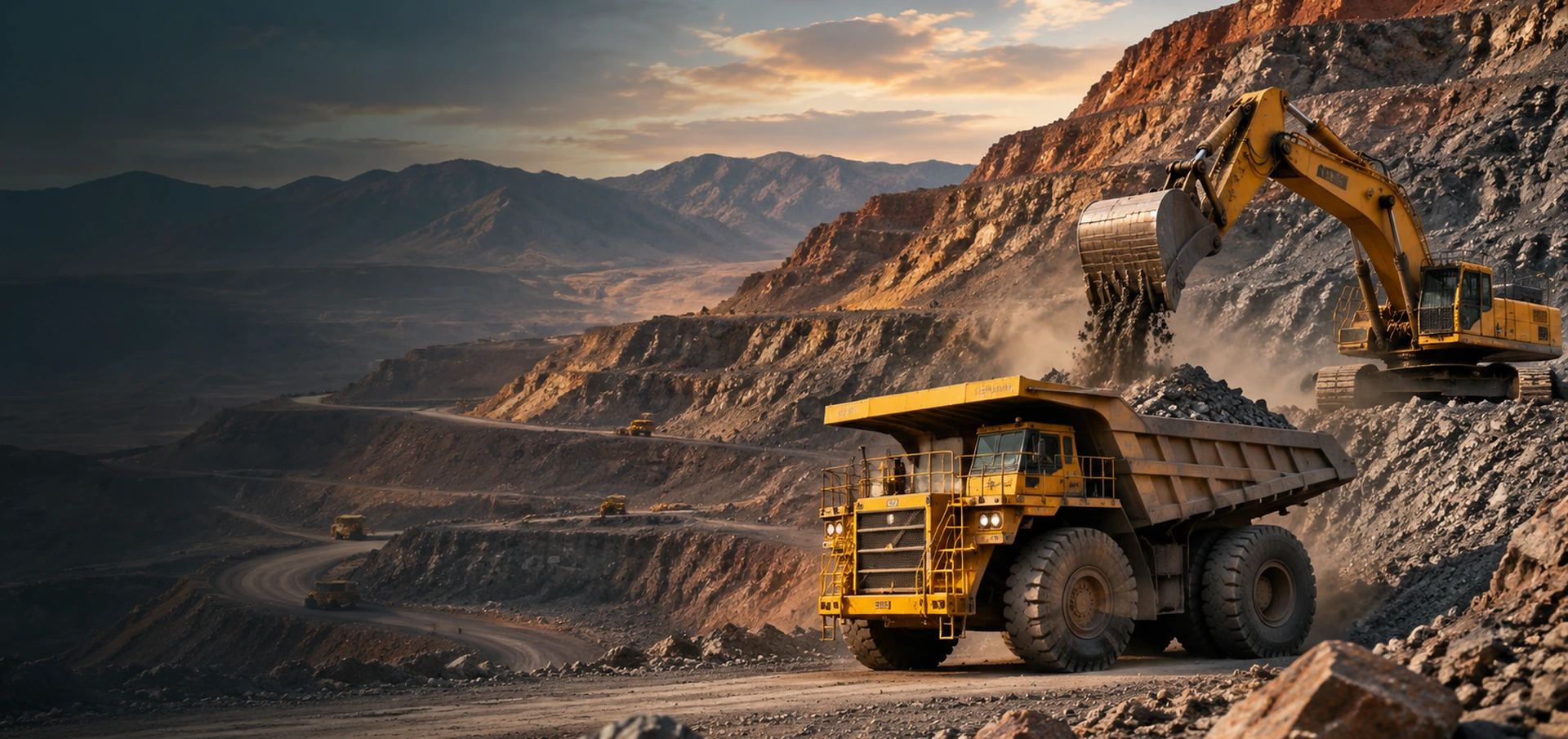
A resource-rich country with diverse mineral deposits, an established mining industry and a strategic position in regional and global mineral supply chains.
A DIVERSE MINERAL BASE
Iran's Mineral Potential at a Glance
Iran has a broad range of metallic and non-metallic mineral resources. Its geological diversity, established mining and processing operations, and access to regional trade routes make the country an important part of the Middle East's mineral and materials landscape.
Iron ore, copper, lead and zinc sit alongside industrial minerals such as gypsum, barite and feldspar. The sector also supports downstream industries including steel, cement and mineral processing.
MINERAL RESOURCE PORTFOLIO
Key Mineral Resources in Iran
Iran's mineral sector includes commodities used in steelmaking, construction, manufacturing, chemicals and industrial processing. The list below reflects the resource groups discussed in IRMinEX's original service content and the wider national mining sector.
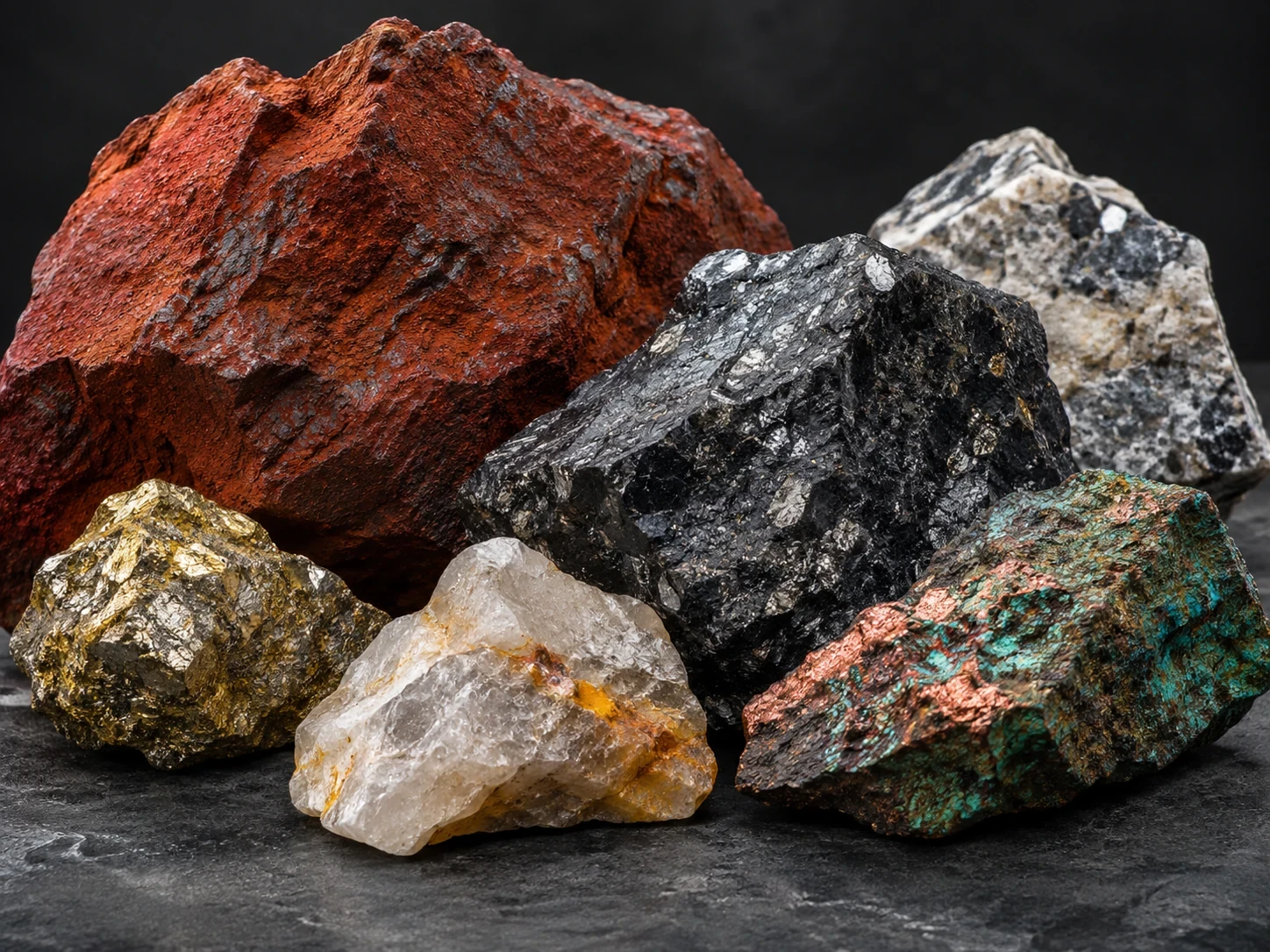
Iron Ore, Copper, Lead & Zinc
Core inputs for steelmaking, non-ferrous metals and industrial manufacturing.
Iron Ore
A major raw material for direct-reduced iron and steel production.
FERROUS MINERALSCopper
Used across electrical, construction, infrastructure and industrial applications.
NON-FERROUS METALSLead & Zinc
Important metals for alloys, galvanizing, batteries and manufacturing.
NON-FERROUS METALSBarite
An industrial mineral used in drilling fluids and other specialist applications.
INDUSTRIAL MINERALSGypsum
A mineral feedstock for construction materials, cement and related products.
INDUSTRIAL MINERALSFeldspar
Used in ceramics, glassmaking and selected industrial applications.
INDUSTRIAL MINERALSChromite & Other Minerals
Including manganese, bauxite, coal, salt and decorative stone resources.
ADDITIONAL RESOURCESResource presence does not mean that every grade or quantity is currently available for export. Product specifications, supply status and commercial terms must be confirmed for each enquiry.
INDUSTRY SNAPSHOT / 2024
Iran's Mineral Production in Recent Data
Selected figures from the U.S. Geological Survey's 2024 Minerals Yearbook illustrate the scale of several major mineral and materials industries in Iran.
Mine production in 2024, gross weight.
Estimated mine production in 2024, gross weight.
Production reported for 2024.
Production reported for 2024.
Source: U.S. Geological Survey, The Mineral Industry of Iran — 2024 Minerals Yearbook (published August 2026). Mt = million metric tons. Rankings are for reported 2024 production; *barite ranking excludes the United States.
 MINING & PROCESSING OPERATIONS
FROM EXTRACTION TO VALUE ADDITION
An Established Mining and Processing Ecosystem
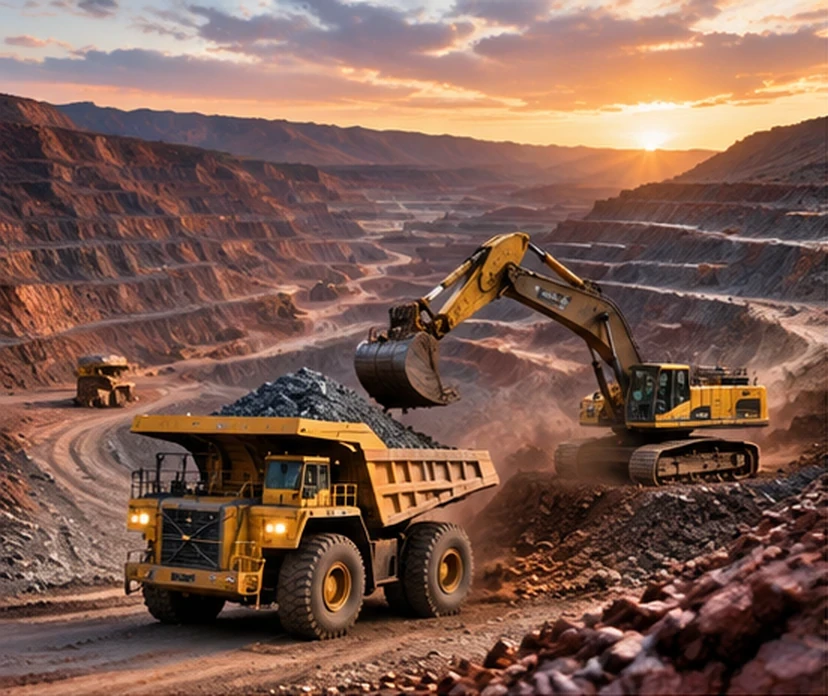
Iran's mineral economy extends beyond extraction. Mining operations are connected to concentration, refining and downstream manufacturing, including iron and steel, copper, cement and other mineral-based industries.
USGS reporting for 2024 identifies major iron ore producers including Sangan, Gohar Zamin, Gol Gohar and Chadormalu, and documents operating copper projects and processing facilities in Kerman Province.
LOCATION & CONNECTIVITY
Iran's Position Between Regional Markets
Iran connects the mineral-producing regions of the country with trade routes leading toward the Persian Gulf, the Gulf of Oman and neighboring markets. This geographic position can be relevant when evaluating export routes, delivery terms and destination-port requirements.
For mineral buyers, the practical value of a route depends on the mine or processing location, cargo type, inland transport, port arrangements, vessel availability and the agreed Incoterm.
Explore IRMinEX ServicesSPECIFICATION BEFORE TRANSACTION
Why Mineral Specifications Matter
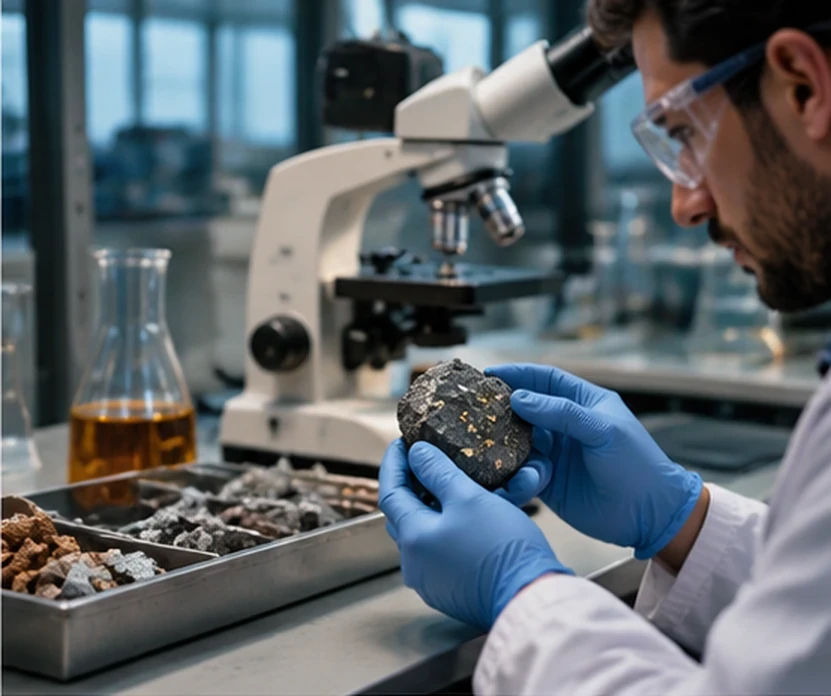
Mineral products are traded against defined technical requirements. A product's commercial suitability depends not only on its name, but also on grade, chemical composition, physical properties, moisture, sizing and the buyer's intended application.
- Chemical compositionKey components and impurity limits relevant to the product.
- Physical characteristicsParticle size, lump or fines ratio, moisture and packaging.
- Batch documentationAvailable assay, analysis certificate or product data sheet.
- Destination requirementsImport regulations, handling needs and end-use specifications.
The presence of a mineral resource does not establish a guaranteed purity level. Product quality must be assessed from the actual specification and supporting batch documentation.
LONG-TERM SECTOR DEVELOPMENT
Priorities for a More Competitive Mining Sector
Resource potential alone does not determine competitiveness. Long-term performance also depends on investment, technology, responsible operations and the ability to move further along the value chain.
Investment & Infrastructure
Modernize mining, processing and transport infrastructure to support reliable operations.
Technology & Productivity
Improve exploration, extraction, beneficiation, process control and operational efficiency.
Environmental Management
Strengthen water, energy, waste and land-management practices throughout the mining lifecycle.
Downstream Processing
Develop processing and manufacturing capabilities that add value before products reach export markets.
FOR INTERNATIONAL BUYERS
Turning Mineral Potential into a Clear Supply Enquiry
International buyers should define their requirements before requesting an offer. A clear enquiry helps identify the relevant product, technical data and logistics scope for review.
Discuss Your Mineral RequirementMINERAL EXTRACTION FAQ
Frequently Asked Questions
Answers to common questions about Iran's mineral resources and mining sector.
What are the main mineral resources in Iran?
Iran's mineral sector includes iron ore, copper, lead, zinc, chromite, manganese, gypsum, barite, feldspar, coal, bauxite, salt and decorative stones, among other resources.
Which minerals is Iran a major producer of?
According to the USGS 2024 Minerals Yearbook, Iran ranked among the leading global producers of strontium, direct-reduced iron, mined gypsum, feldspar, barite and iron ore in 2024. The ranking depends on the commodity and reporting methodology.
How much iron ore did Iran produce in 2024?
The USGS reported Iran's iron ore production at 95.4 million metric tons in 2024, measured by gross weight. The same report estimated iron ore reserves, by contained iron content, at about 1.5 billion metric tons at year-end 2024.
Does Iran have an established mineral processing industry?
Yes. The sector includes processing and downstream industries such as iron and steel, copper concentrate, cement and clinker production. The scale and output vary by commodity and year.
How can an international buyer enquire about Iranian mineral products?
Provide the mineral name, target grade, quantity, destination country or port, packaging requirements and preferred delivery term. IRMinEX can review the enquiry and confirm the relevant product and commercial details.
SOURCE MINERAL PRODUCTS FROM IRAN
Looking for an Iranian Mineral Supply Option?
Share your product specification, target quantity and destination. The IRMinEX team can review the details with you.