PRODUCT 03 / CHROMIUM-BEARING MINERAL
Chromite Ore from Iran
A Strategic Raw Material for Steel, Alloys and Refractory Industries
Explore chromite characteristics, chromium-bearing mineral resources, extraction and beneficiation methods, industrial applications, and the information buyers need to evaluate a potential supply.
01 / PRODUCT OVERVIEW
What Is Chromite?
Chromite is the principal commercial ore mineral of chromium. Its ideal end-member formula is FeCr₂O₄, and it belongs to the spinel group. Natural chromite is compositionally variable: magnesium may substitute for iron, while aluminium and iron may substitute for chromium.
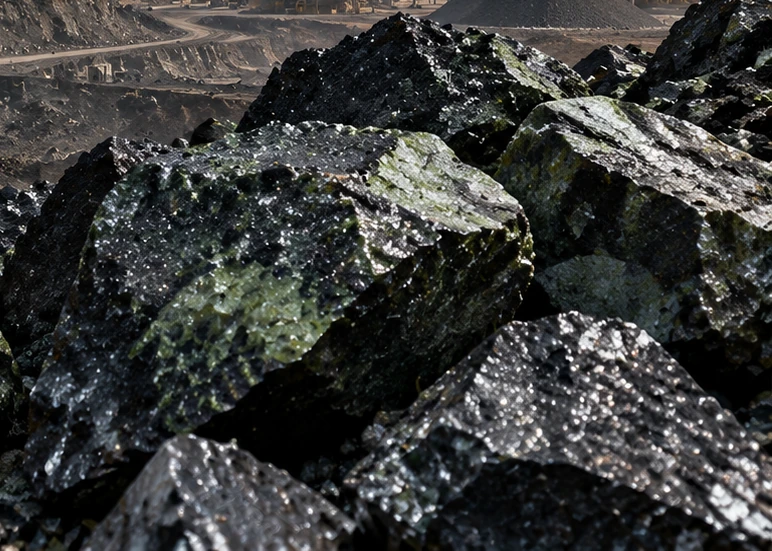
Chromite commonly occurs as black to dark-brown or dark-green material in ultramafic and other igneous settings. Its relatively high density is an important physical property used in mineral separation and beneficiation.
02 / PRODUCT FORMS
Chromite Ore and Beneficiated Products
Chromite may be marketed in different physical forms depending on the deposit, beneficiation route, particle-size requirements and buyer specifications. The forms below describe common points in the supply chain, not confirmed IRMinEX stock.
Run-of-Mine Ore
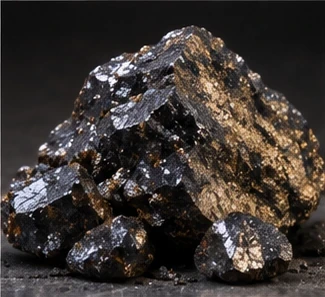
Material extracted from the mine before or after primary handling. Its grade, size distribution and gangue content depend on the ore body and mining method.
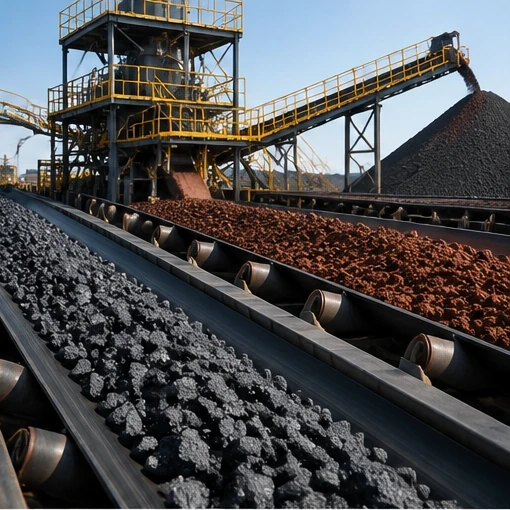
Crushed and Sized Ore
Ore that has been crushed, screened or sorted to meet a defined particle-size range or prepare the material for further concentration.
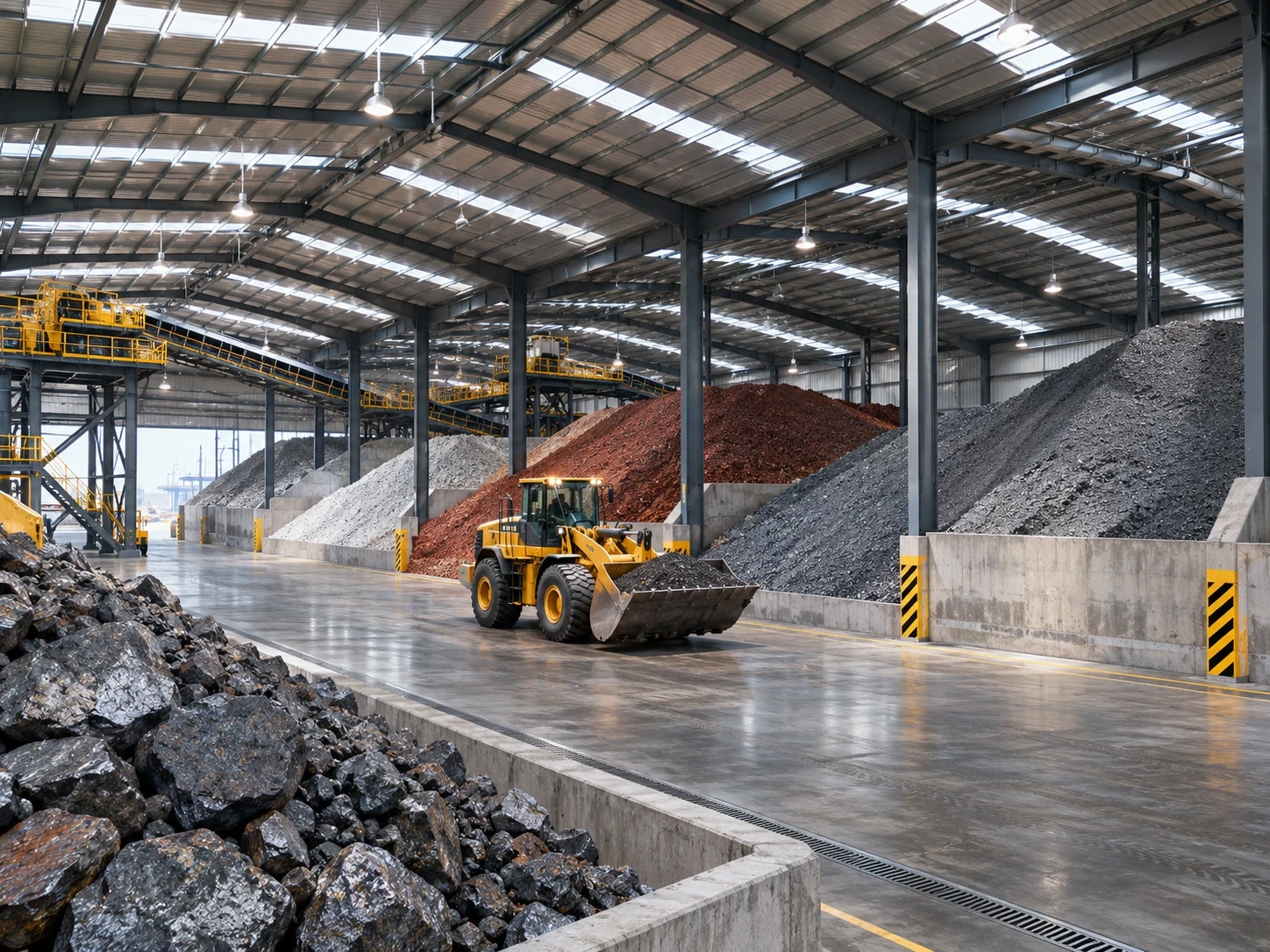
Chromite Concentrate
An upgraded product produced by separating chromite from a portion of the associated gangue. Its chemical and physical specifications must be confirmed by assay.
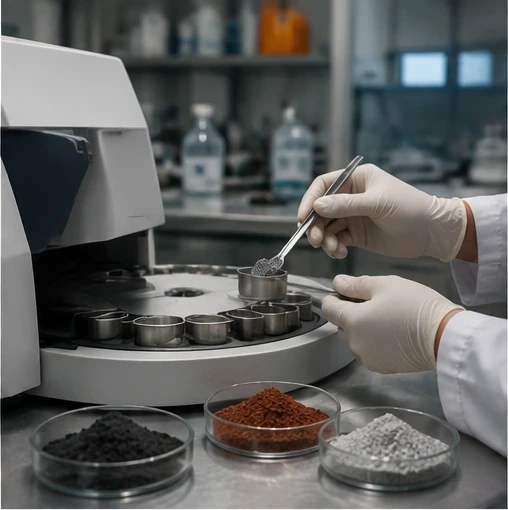
03 / QUALITY & SPECIFICATION
What Determines Chromite Quality?
Chromite is not evaluated by appearance alone. Industrial buyers generally assess chromium oxide content, the chromium-to-iron ratio, associated oxides and physical characteristics against the requirements of the intended process.
04 / ORE CLASSIFICATION
Chromite Grade and End-Use Requirements
Chromite is commonly classified according to chemical composition and intended industrial use. Grade names and acceptance limits vary between buyers, smelters and markets.
Metallurgical Grade
Used mainly as feedstock for ferrochrome production, which supplies chromium for stainless steel and other alloy steels.
Refractory Grade
Selected for high-temperature applications such as refractory products and furnace linings, subject to chemical and physical requirements.
Chemical Grade
Used as a raw material for certain chromium chemicals. Suitability depends on chemistry, processing route and customer specifications.
Foundry Applications
Selected chromite sands are used in foundry moulding and core applications where thermal and physical properties are suitable.
Specialty Applications
Other industrial uses may require tailored particle size, mineral purity or chemical characteristics.
Grade Confirmation
The buyer’s end-use, plant flowsheet and contractual specification determine whether a given lot is suitable.
These are general industry categories, not a declaration that IRMinEX currently offers each grade.
05 / MINING & BENEFICIATION
From Chromite Deposit to Marketable Product
Mining and beneficiation methods are selected according to deposit geometry, ore liberation, mineral associations, grade and the required product specification.
Open-Pit Mining
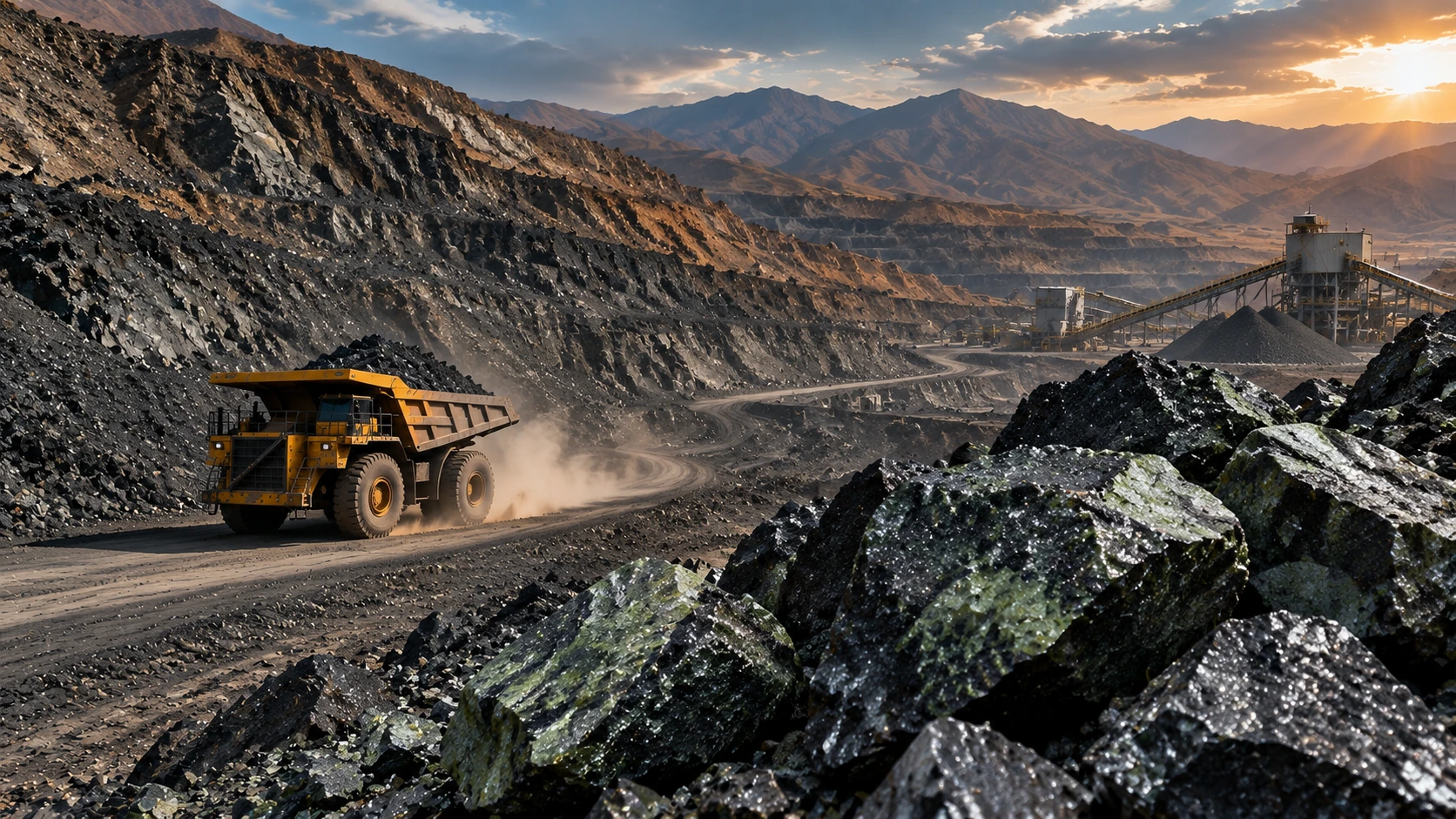
Used where chromite-bearing ore can be accessed from the surface. Overburden and waste are removed in stages, and ore is excavated and transported for preparation.
Underground Mining
Used for deeper ore bodies where access tunnels, shafts or underground stopes are developed to reach and extract chromite-bearing material.
Physical Upgrading of Chromite Ore
Not every operation requires every stage; the process is selected after mineralogical and metallurgical testing.
Choosing the Right Beneficiation Technique
Chromite’s density and mineralogical characteristics support a range of physical separation methods.
The process stages above are general industry practices. Actual flowsheets and recovery performance require deposit-specific mineralogical testing and plant data.
06 / INDUSTRIAL APPLICATIONS
Where Is Chromite Used?
Chromite is the principal commercial source of chromium, a key element in corrosion-resistant steels, specialty alloys and several high-temperature industrial materials.
Ferrochrome & Stainless Steel
The largest industrial pathway for chromite is conversion to ferrochrome, which supplies chromium to stainless and other alloy steels.
Ferrochrome · Stainless steelSpecialty Alloys
Chromium is used in alloy systems designed for hardness, wear resistance, oxidation resistance and demanding service conditions.
Engineering · Automotive · EnergyRefractory Materials
Suitable chromite materials are used in refractory products and furnace linings for selected high-temperature industrial processes.
Furnaces · Kilns · LiningsFoundry Industry
Chromite sand can be used in moulding and core applications where its thermal and physical properties meet foundry requirements.
Foundry sand · CastingChemical Industry
Chromite is a feedstock for the manufacture of certain chromium compounds used in industrial chemical processes.
Chromium compounds · ProcessingSurface Engineering
Chromium produced downstream from chromite is used in selected coating, plating and surface-treatment applications.
Coatings · Plating · Components07 / IRAN’S CHROMITE RESOURCES
Chromite Deposits Across Iran
The original IRMinEX article identifies chromite resources in several Iranian provinces, including Kerman, Sistan and Baluchestan, and Yazd. Historical mineral references also describe occurrences in other parts of the country.
Regional references describe mineral occurrences; they do not establish current mine operation, reserves, production volumes or IRMinEX ownership.
CHALLENGES & OPPORTUNITIES
Strengthening the Chromite Value Chain
The legacy IRMinEX article notes processing infrastructure, international competition and access to modern technology as industry challenges. It also identifies opportunities in rising demand for chromium alloys, improved beneficiation, export development and greater domestic value addition.
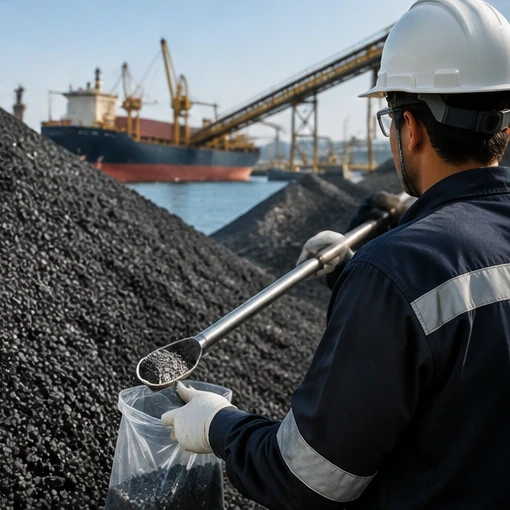
08 / TECHNICAL & EXPORT DOCUMENTATION
Prepare the Product for Buyer Review
Before a chromite transaction is finalized, buyer and seller should align on the product specification, representative sampling, analytical method, shipment conditions and acceptance procedure.
09 / MARKET & INDUSTRIAL VALUE
Chromite Connects Mining with Modern Manufacturing
Demand for chromium-bearing materials is linked to steel production, alloy manufacturing and industrial applications that require strength, corrosion resistance and high-temperature performance.
Stainless Steel Production
Ferrochrome supplies chromium to stainless steel and other alloy steels, helping deliver corrosion resistance and specific mechanical properties.
Refractories & Foundry
Suitable chromite products support selected furnace, lining, moulding and casting applications.
Processing & Export Development
Beneficiation, product consistency and clear technical documentation can improve market access and support downstream value creation.
CHROMITE / FAQ
Frequently Asked Questions
Key information about chromite composition, grading, beneficiation, applications and Iranian resources.
What is the chemical formula of chromite?
The ideal end-member formula is FeCr₂O₄. Natural chromite is compositionally variable and may contain magnesium, aluminium and additional iron substitutions.
What determines the commercial grade of chromite?
Important factors include Cr₂O₃ content, the Cr/Fe ratio, associated oxides such as SiO₂, MgO and Al₂O₃, moisture and particle-size distribution. Acceptance limits depend on the buyer and end use.
How is chromite ore processed?
Depending on the ore, processing may include crushing, screening, hand sorting, gravity or dense-medium separation and, where appropriate, magnetic separation.
What is chromite mainly used for?
Its principal industrial use is as a chromium source for ferrochrome and stainless steel. It is also used in selected refractory, foundry and chemical applications.
Where are chromite resources found in Iran?
The original IRMinEX article names Kerman, Sistan and Baluchestan, and Yazd among the provinces with chromite resources.
Does IRMinEX publish a fixed Cr₂O₃ grade or price?
The legacy article does not provide a current lot-specific assay, guaranteed grade, available tonnage or price. Request the applicable product specification and commercial offer for each enquiry.
IRMINEX / CHROMITE ENQUIRY
Discuss Your Chromite Supply Requirements
Contact IRMinEX to discuss chromite ore or concentrate requirements, technical documentation, product availability and export arrangements.