
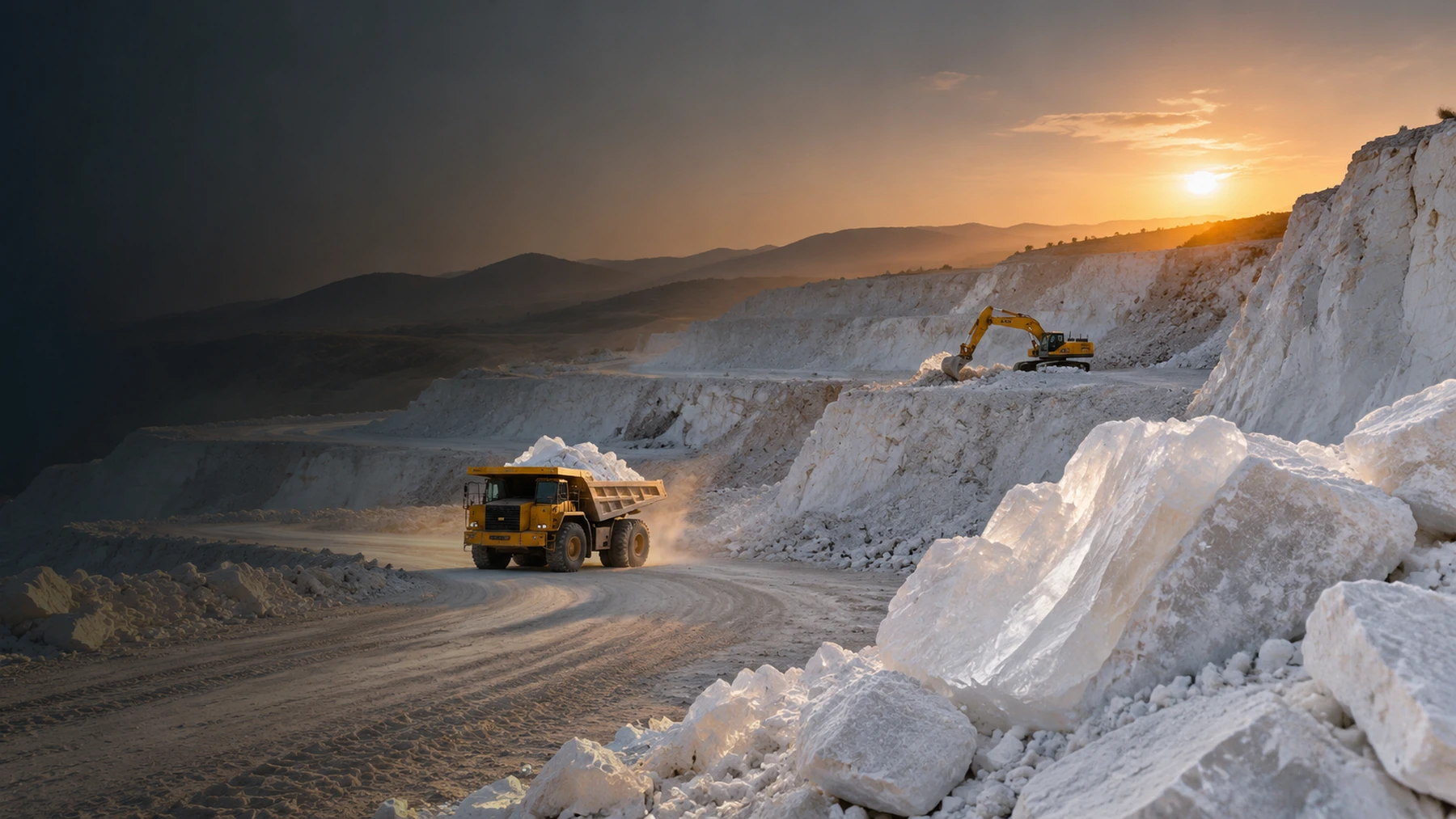
INDUSTRIAL MINERALS / IRANIAN RESOURCES
Gypsum from Iran
A Versatile Mineral for Construction and Industry
Natural gypsum is a hydrated calcium sulfate mineral (CaSO₄·2H₂O) with a wide range of applications across construction, cement, agriculture and other industrial sectors.
01 / PRODUCT OVERVIEW
What Is Gypsum?
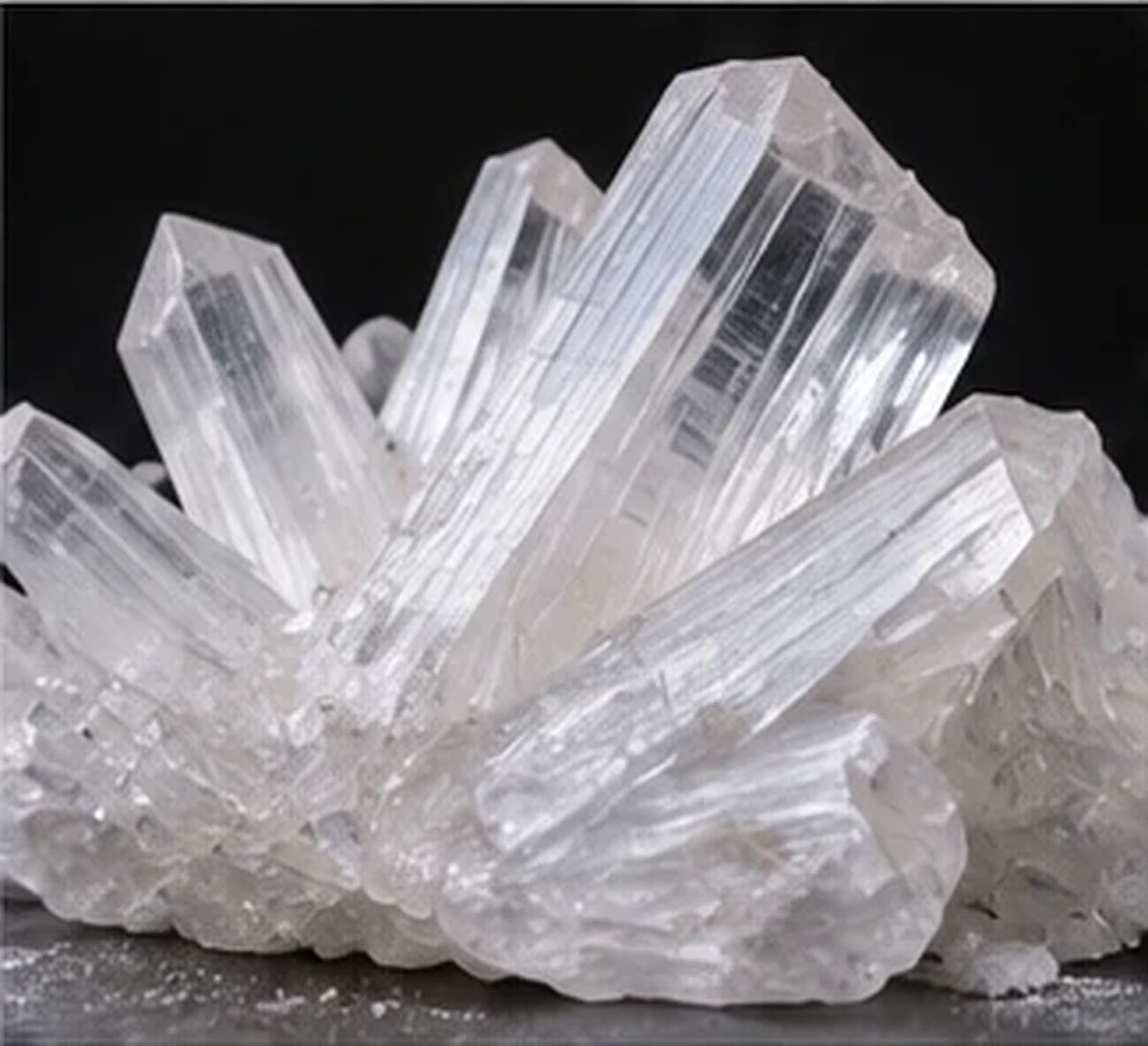
Gypsum is a naturally occurring, sedimentary mineral composed of hydrated calcium sulfate (CaSO₄·2H₂O). It is commonly white or light grey, although mineral impurities can produce yellow, pink or brown shades.
Its relatively low hardness makes it easy to scratch and crush. The water held within its crystal structure can be released by heating, producing the material used as building plaster.
02 / PHYSICAL & CHEMICAL CHARACTERISTICS
Key Properties of Natural Gypsum
The source article identifies gypsum as a soft mineral whose crystal structure contains two water molecules. Its appearance can vary depending on naturally occurring impurities.
03 / MINERAL TYPES
Three Forms Identified in the Source Article
Gypsum-related minerals occur in different forms. The original IRMinEX article highlights natural gypsum, anhydrite and crystalline gypsum known as selenite.
Gypsum
The common naturally occurring hydrated calcium sulfate mineral used across construction and industrial applications.
Contains water of crystallizationAnhydrite
A related mineral with a similar structure to gypsum but without water of crystallization in its composition.
No crystallization waterSelenite
A transparent crystalline variety of gypsum valued for its appearance and use in decorative applications.
Transparent crystal variety04 / BUILDING PLASTER PRODUCTION
From Natural Gypsum to Building Plaster
The source article describes a four-stage process: extraction, crushing, heating to remove crystallization water, and final grinding and packaging.
Extraction
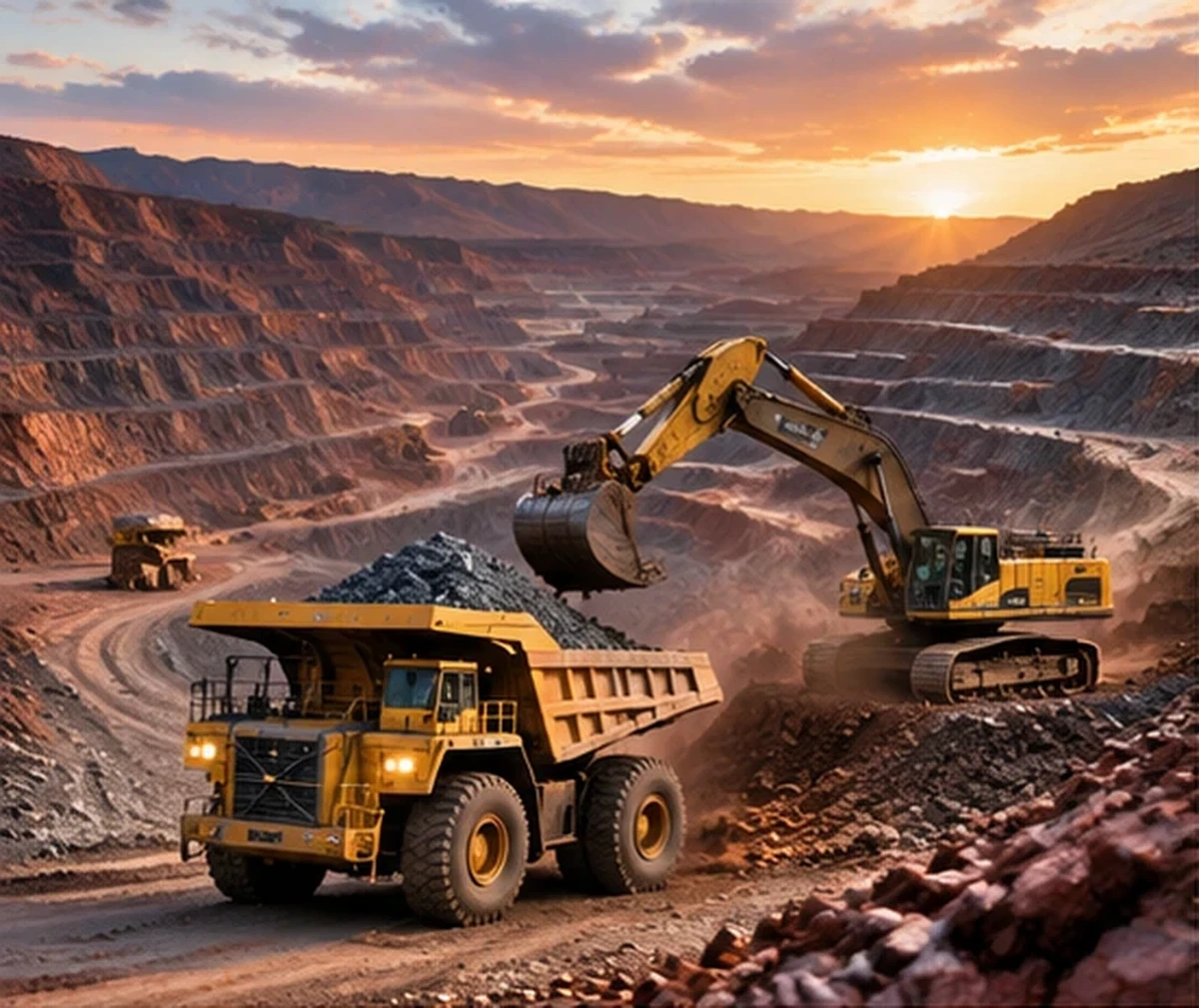
Gypsum is extracted from surface or underground mines before being transported for further processing.
Surface / underground miningCrushing
The extracted mineral is crushed into smaller pieces to prepare it for the heating stage.
Size reductionHeating / Calcination
Crushed gypsum is heated in rotary or traditional furnaces to remove part of its crystallization water. The source article gives approximately 150°C.
Approx. 150°C in the source articleGrinding & Packaging
The calcined material is ground into powder and packaged for use in construction and other industries.
Powder preparation and packaging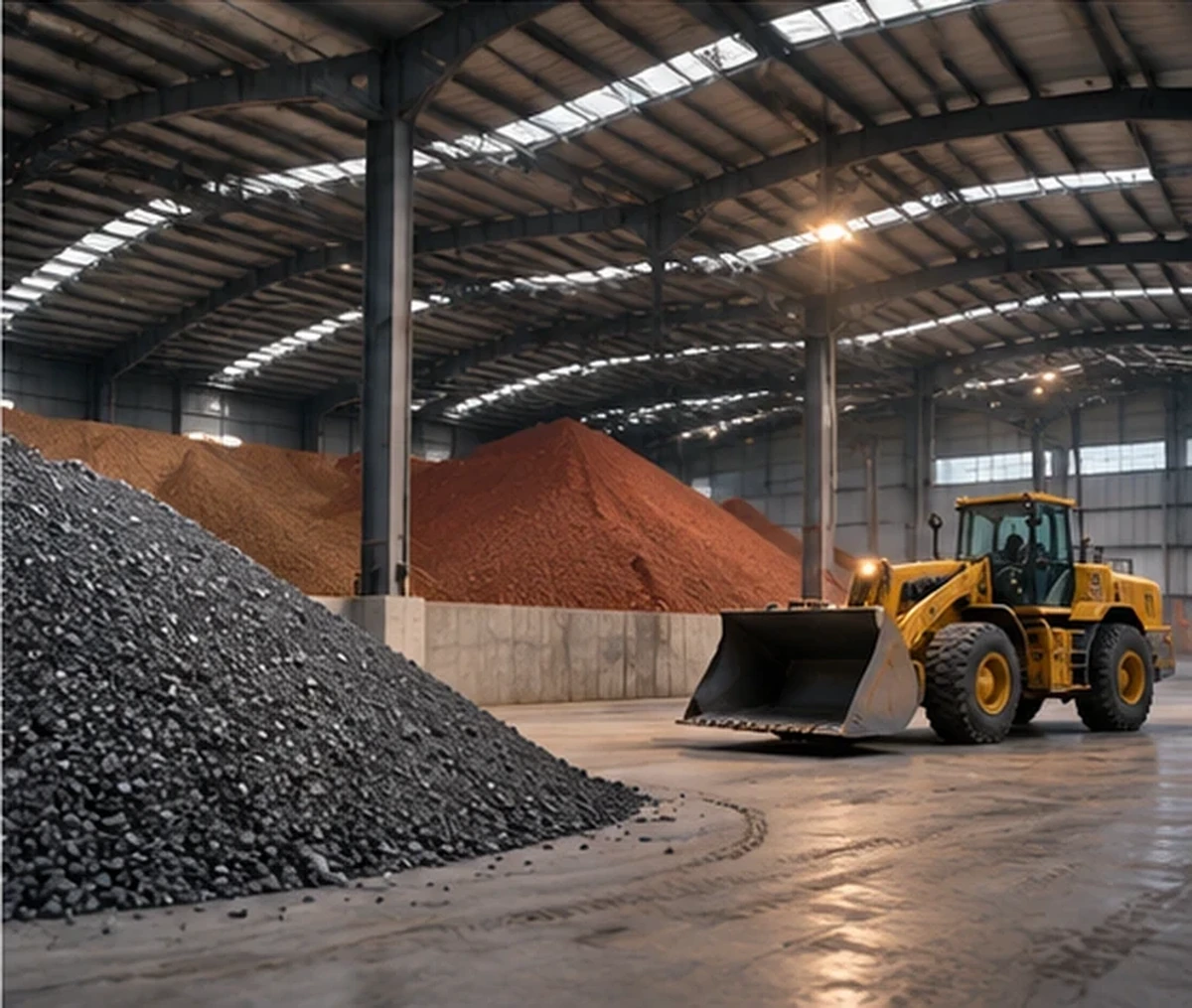
05 / INDUSTRIAL APPLICATIONS
Where Is Gypsum Used?
Gypsum serves construction and cement manufacturing as well as selected medical, agricultural and industrial applications described in the original article.
Construction
Wall and ceiling plaster, whitewashing, gypsum panels, lightweight blocks and prefabricated building components.
Building materialsMedical Applications
Medical plaster can be moulded and sets quickly, making it useful for casting and supporting broken bones.
Medical plaster castsCement Production
Gypsum is used as a setting regulator in the production of Portland cement.
Setting-time regulationAgriculture
Applied to improve saline and alkaline soils, supporting soil structure and pH management.
Soil improvementPaper, Paint & Rubber
Used as a filler and stabilizer in the manufacture of paper, paint and rubber products.
Industrial filler / stabilizer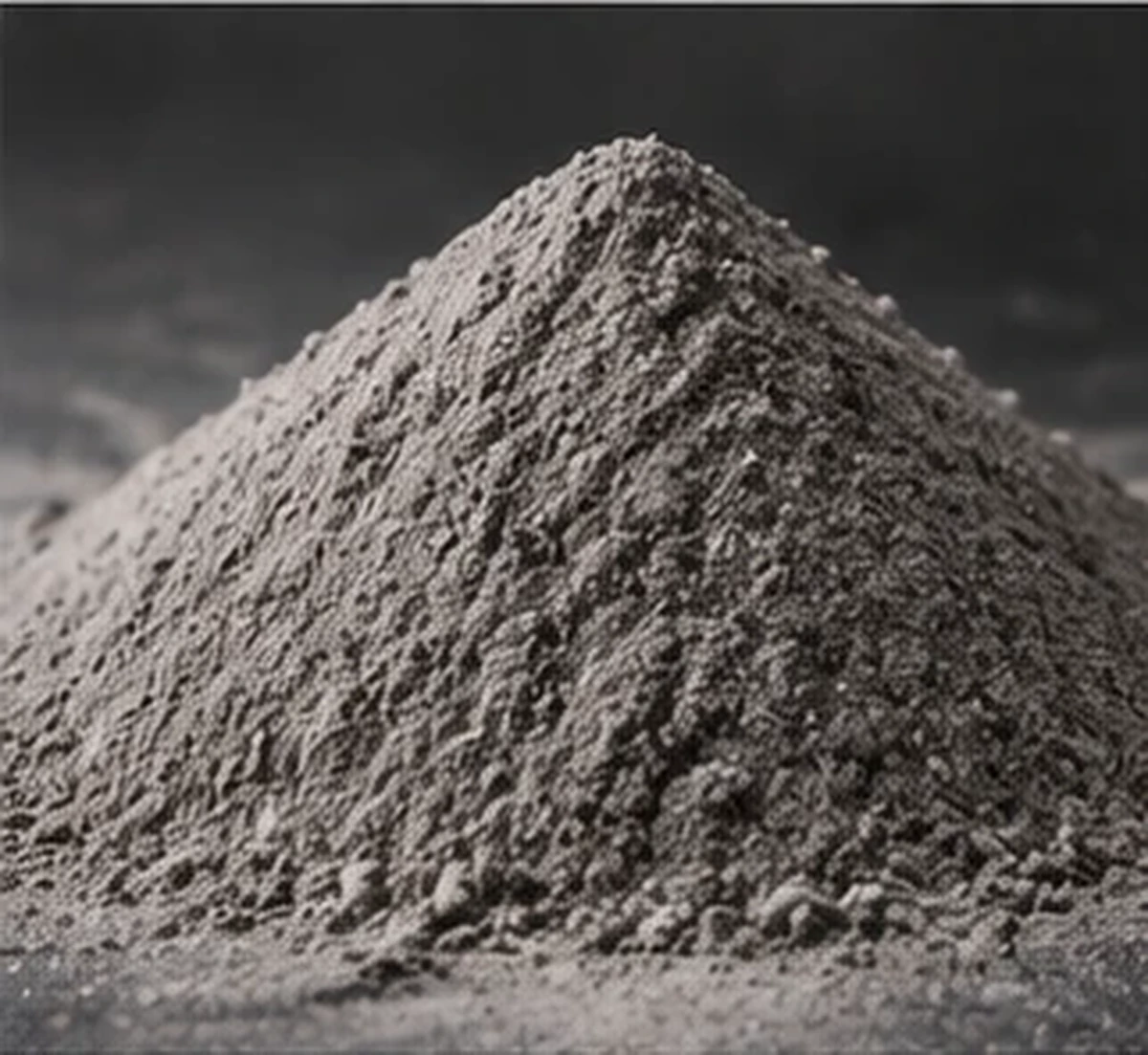
06 / GYPSUM RESERVES IN IRAN
Iran’s Gypsum Resource Base
The original IRMinEX article describes Iran as a significant producer and exporter of gypsum, with deposits in several provinces. It identifies Semnan, Khorasan, Kerman and Fars as key regions.
07 / MATERIAL ADVANTAGES
Why Gypsum Is Widely Used
The original article highlights four practical advantages that support gypsum’s use across construction and industrial applications.
Natural Material
The source article describes gypsum as a natural and biodegradable material.
Cost-Effective
Its natural abundance is identified as a factor contributing to relatively low production costs.
Insulation Properties
Gypsum is described as offering thermal and acoustic insulation properties in building applications.
Ease of Use
Its workability, ease of shaping and relatively quick drying are valued in construction and interior finishing.
08 / HANDLING & APPLICATION LIMITATIONS
Important Considerations for Gypsum
Gypsum’s performance depends on the environment and intended use. The original IRMinEX article identifies moisture sensitivity and susceptibility to impact or scratching as key limitations.
Low Resistance to Moisture
Gypsum can absorb water and deteriorate in humid environments, limiting its suitability for some wet-area applications.
Susceptibility to Damage
The mineral can be scratched or broken under impact and pressure, so handling and storage conditions matter.
09 / ECONOMIC & EXPORT IMPORTANCE
Gypsum in Domestic Industry and International Trade
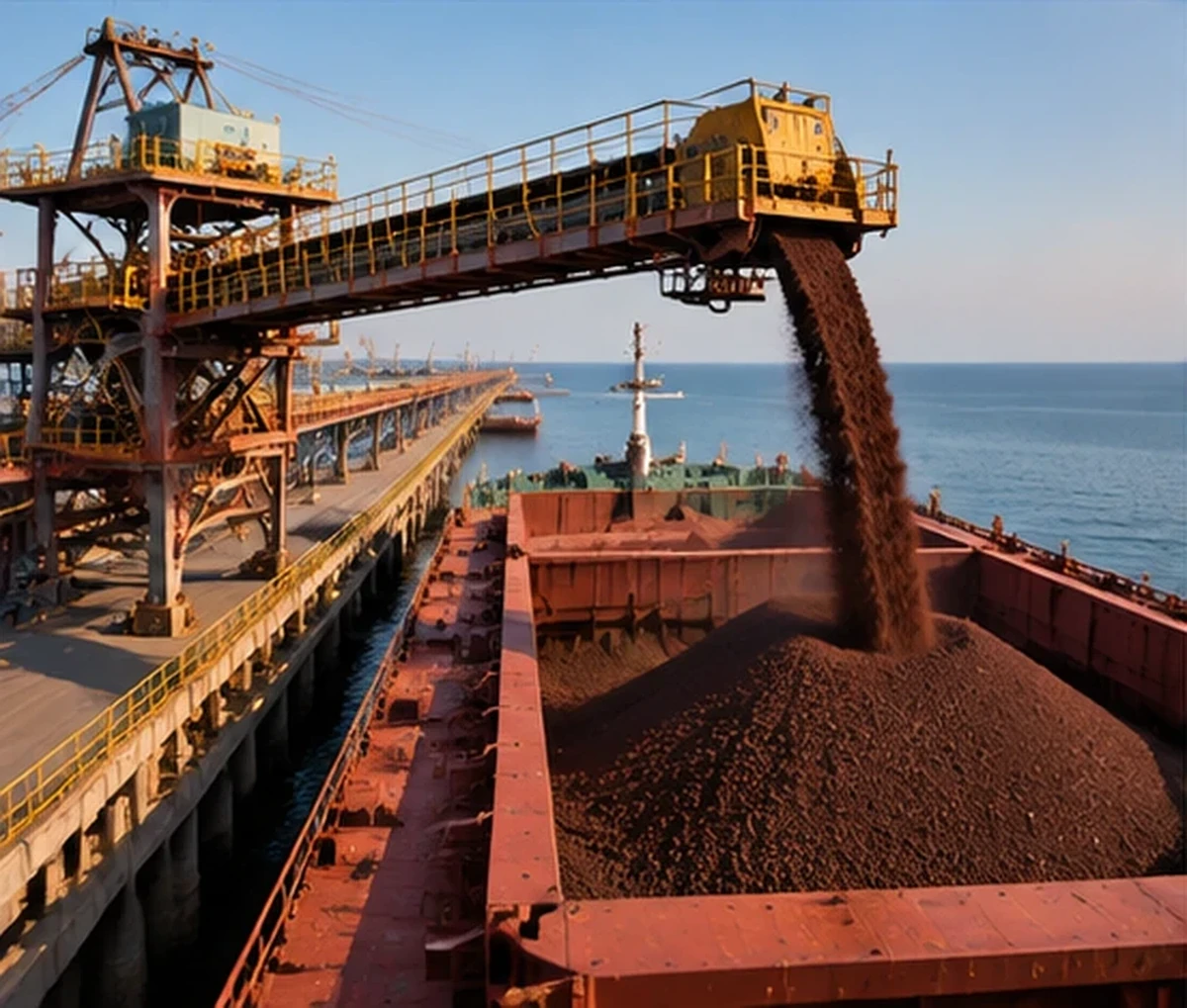
The original IRMinEX article describes gypsum as an important mineral for construction and agriculture. Its use in domestic building projects and the potential to export to neighbouring countries contribute to its industrial and economic significance.
The article also identifies Iran’s natural resource base and the presence of deposits in several provinces as factors supporting its role in gypsum production and supply.
10 / BUYER ENQUIRY CHECKLIST
What to Include in a Gypsum Enquiry
To review a gypsum supply request efficiently, buyers can share the intended application and the technical and logistical details relevant to their requirements.
GYPSUM / FAQ
Frequently Asked Questions
Answers to common questions about gypsum composition, mineral forms, processing, applications and supply enquiries.
What is the chemical formula of gypsum?
Gypsum is hydrated calcium sulfate with the chemical formula CaSO₄·2H₂O.
How hard is natural gypsum?
The original IRMinEX article gives gypsum a hardness of approximately 2 on the Mohs scale.
What are the main types of gypsum mentioned by IRMinEX?
The article identifies naturally occurring gypsum, anhydrite, which lacks crystallization water, and transparent crystalline gypsum known as selenite.
How is building plaster produced from gypsum?
The source describes extraction, crushing, heating to remove crystallization water, and grinding and packaging. It gives approximately 150°C as the typical heating temperature.
What are the main applications of gypsum?
Applications listed in the article include construction, medical plaster casts, Portland cement production, agriculture, and use as a filler or stabilizer in paper, paint and rubber products.
Which Iranian provinces are identified as gypsum regions?
The article names Semnan, Khorasan, Kerman and Fars as important regions with gypsum mines.
What are the main limitations of gypsum?
The article highlights low resistance to moisture and susceptibility to impact, wear and scratching.
Does this page provide current gypsum prices or available tonnage?
No. Current prices, product specifications, availability, shipment volumes and delivery terms must be confirmed for each commercial enquiry.
IRMINEX / GYPSUM ENQUIRY
Discuss Your Gypsum Supply Requirements
Share your intended application, technical requirements, quantity and destination. The IRMinEX team can review your enquiry and discuss the information needed for the next step.